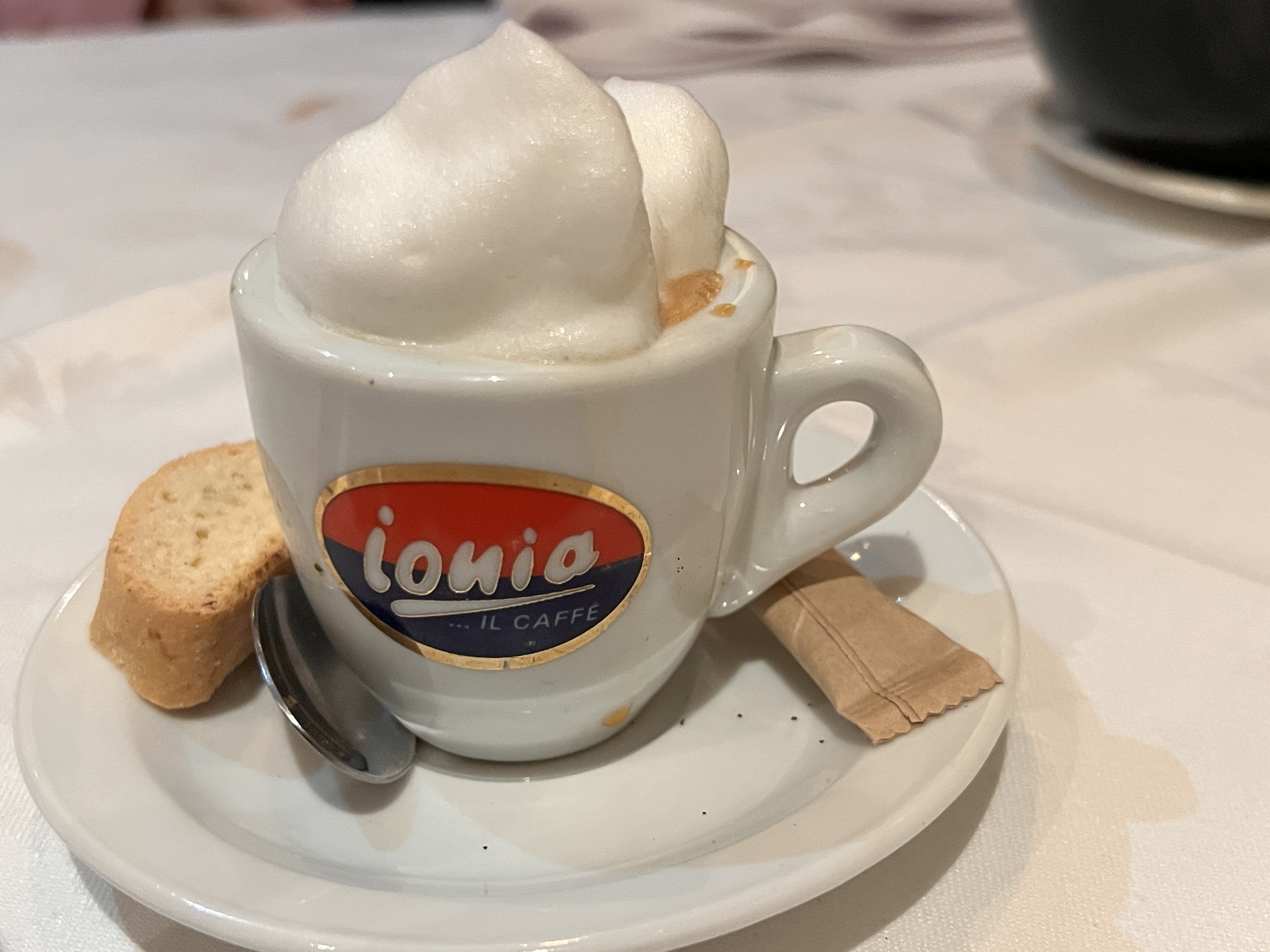
Olive Oil or Butter in your Coffee?
Coffee Culture’s latest trend is combining fats and coffee and since Starbucks has gotten into the act, with its Oleato, olive-oil infused coffee line, we’ll be hearing a lot more about it. Bulletproof coffee, combining oil and ghee, the clarified butter used in Indian cuisine, has been around for some time.
I first encountered this idea of combining fat and coffee in Hanoi, Vietnam’s capital, in a pre-Covid trip, where the original cà phê trúng (egg coffee) can be found in Café Giang, an almost-hidden cafe down a narrow alley in the city’s Old Quarter.

It was the invention of a barman in the 1940s, due to war-time milk shortages in the 1940s. You can’t really taste the egg; it’s more like a thick vanilla and sweet, the way the Vietnamese like their coffee, a habit my partner brought back with her from our trip. (Sweetened condensed milk every day with coffee).

Put ice in the egg coffee and it’s more like coffee ice cream. There is also coffee powder, condensed milk, a little butter, and cheese in the mix.
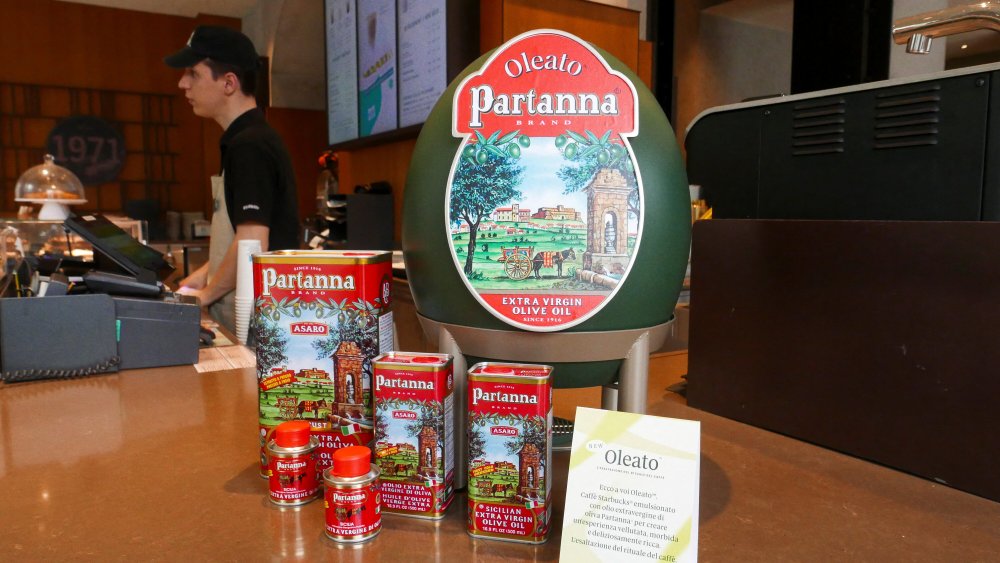
Recently, on a visit to my local Starbucks, as Ricardo’s doesn’t have hordes of publicists tipping him off, I stumbled upon the new Starbucks’ new offering, (foodnetwork review here) coffee mixed with extra-virgin Partanna® Sicilian extra virgin olive oil, now also available separately in their stores.
It’s pressed with Nocellara del Belice olives (also called Castelvetrano), which are known for their vibrant and buttery flavor. When I asked about the new drink, the barista was kind enough to pass out a taste. It does have a silky feel and gives coffee an extra dimension and more body. (Here’s a guide to buying the best olive oil).
Supposedly, and I take that with a teaspoon of olive oil, Starbucks founder Howard Schultz was introduced to the custom of olive oil and coffee while sipping an espresso in Sicily. He was inspired by the ‘lush velvety flavour that lingers beautifully on the palate’ and so a product was born. (Ricardo’s is contemplating making an olive oil gelato now too).
Would I order it again? I probably will, as it has this luxurious smooth and silky mouth feel and Starbucks has gone to town creating drinks like:

Starbucks® Blonde® espresso combined with notes of warm toffeenut and creamy oatmilk, topped with Oleato Golden Foam, a lush vanilla sweet cream that cold foam infused with Partanna extra virgin olive oil*.
The Oleato Caffè Latte is simple and elegant, made with Starbucks Blonde Espresso Roast and Partanna extra virgin olive oil steamed with oatmilk to create the most luscious of lattes.
Here’s a copycat recipe:
- Add the oat milk and extra virgin olive oil to the milk frother.
- Meanwhile, place an espresso pod into your machine or make 1.5 oz of espresso with an espresso maker.
- Pour the frothed olive oil infused oat milk into the espresso. Stir (optional) and enjoy.
- (Add vanilla syrup or an optional sweetener).
A larger question is should you imbibe more olive oil, like the Mediterranean diet suggests?
Olive oil is packed with monosaturated fats, explains Vandana Sheth, RDN, CDCES, FAND, a registered dietitian nutritionist and author of My Indian Table: Quick & Tasty Vegetarian Recipes. As a result, Sheth notes that olive oil’s benefits include improvements in:
- heart health, including blood pressure and cholesterol
- brain health
- inflammation
- joint health
In any case, it would be easy to try; slide a tablespoon of good olive oil in your morning cup and play with the amounts.
Another similar idea is Bulletproof Coffee, which has been around for a while and comprises MCT oil and ghee, clarified butter often used in Indian cuisine. There is also a Bulletproof bean brand, which the inventor of this Rainforest-certified product distributes and claims is hand picked and has fewer toxins than other coffees.
MCT oil, derived from coconut oil, contains medium-chain triglycerides that can rapidly metabolize in the body – a quick and accessible source of energy. MCT oil can increase feelings of fullness, support weight management and support cognitive function.
Ghee contains essential nutrients like Vitamin A, a fat-soluble nutrient supporting skin and eye health. In addition to vitamin A, ghee contains small amounts of other fat-soluble nutrients like vitamins D, E, and K2.
Lastly, grass-fed ghee contains omega-3 fatty acids, polyunsaturated fats. Some studies have shown promising evidence that omega- 3 fatty acids may provide support to the brain and body.
A recipe:
- Brew 1 cup (8-12 ounces) of coffee using Bulletproof coffee beans.
1 cup Bulletproof coffee
- Add coffee, Brain Octane C8 MCT oil and ghee to a blender.
1/3-2 tbsp Brain Octane C8 MCT Oil
- Blend 20-30 seconds until it looks like a creamy latte. Enjoy!
1-2 tsp Grass-Fed Ghee
A good place to try it is Extra Butter on Roncesvalles: they’ve been making it for some time.
A cupping event
What’s a cupping session, coffee aficionados might ask? It’s similar to a blind wine tasting only with coffee. It has multiple parts, while in wine tastings, the liquid is poured and sniffed and tasted. That’s it.

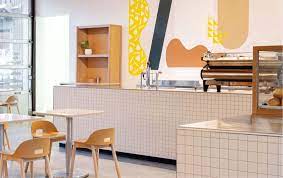
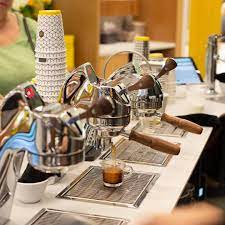
Pilot Coffee Roasters recently held a public cupping event at its 117 Ossington Café. Cuppings apparently are held almost daily at Pilot’s Roastery for those involved in the business, but this was the first one for which tickets are sold for those on its mailing list. About eight people attended, and two Pilot experts, Mar and Conrad, conducted the evening.

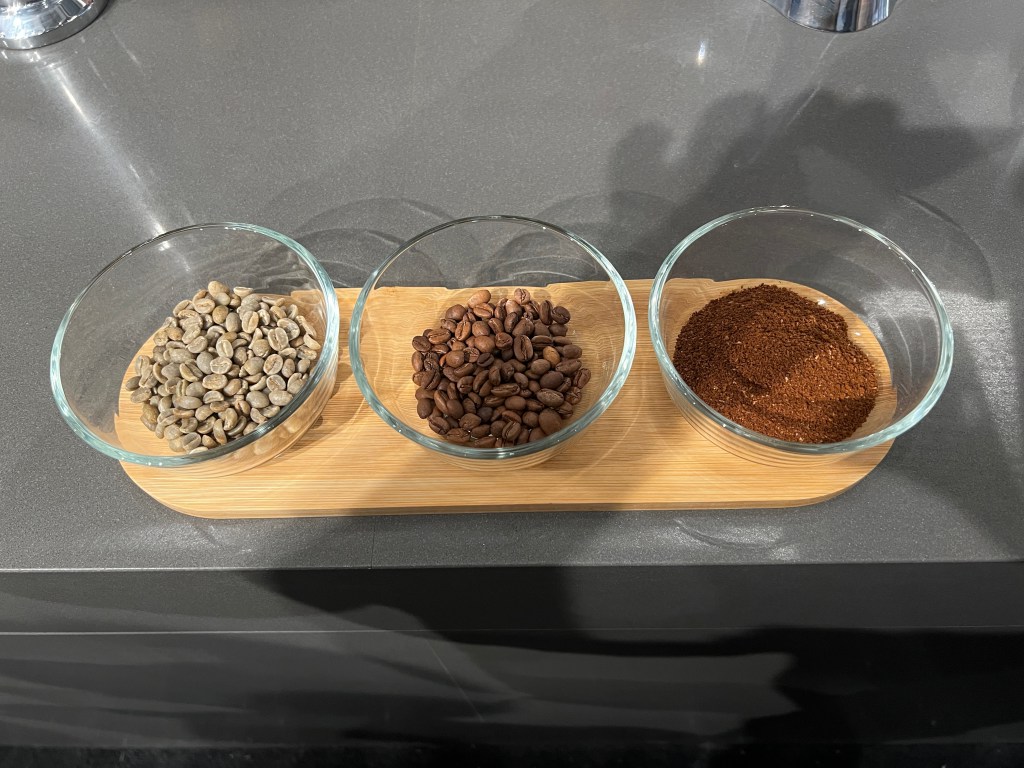
They were incredibly knowledgeable. We first heard a short presentation about coffee cultivation and processing, specialty coffee (above 80 on a rating system), and the magic of expertly roasting green beans, which we examined and smelled, along with ground coffee.
Then the cupping: Coffee is freshly ground and placed in four cups. The identities were known to Conrad but not to Mar. We sniffed the grounds and made notes, knowing it was one of these four varieties:

Ethiopian Yirgacheffe Ana Sora, a Pilot fan favourite, naturally processed light roast, described as Strawberry, Vanilla and Syrupy. It’s the roaster’s “highest grown coffee which slows cherry maturation to a crawl and creates wildly sweet flavour and complexity.”
Guatemalan San Jerónimo, direct trade (purchased directly from the farm) baker’s chocolate, raisin & buttery “Very balanced, creamy and has a wonderful nuttiness that seems to return every season.”
Costa Rican El Quizzara, honey processed, dried apricot, cashew & creamy
Heritage blend, seasonal changes, toffee, milk chocolate & creamy ‘signature roast defies all expectations of a ‘classic’ coffee. Sweet, full-bodied and pairs excellent with milk.” (A fave of mine year after year)
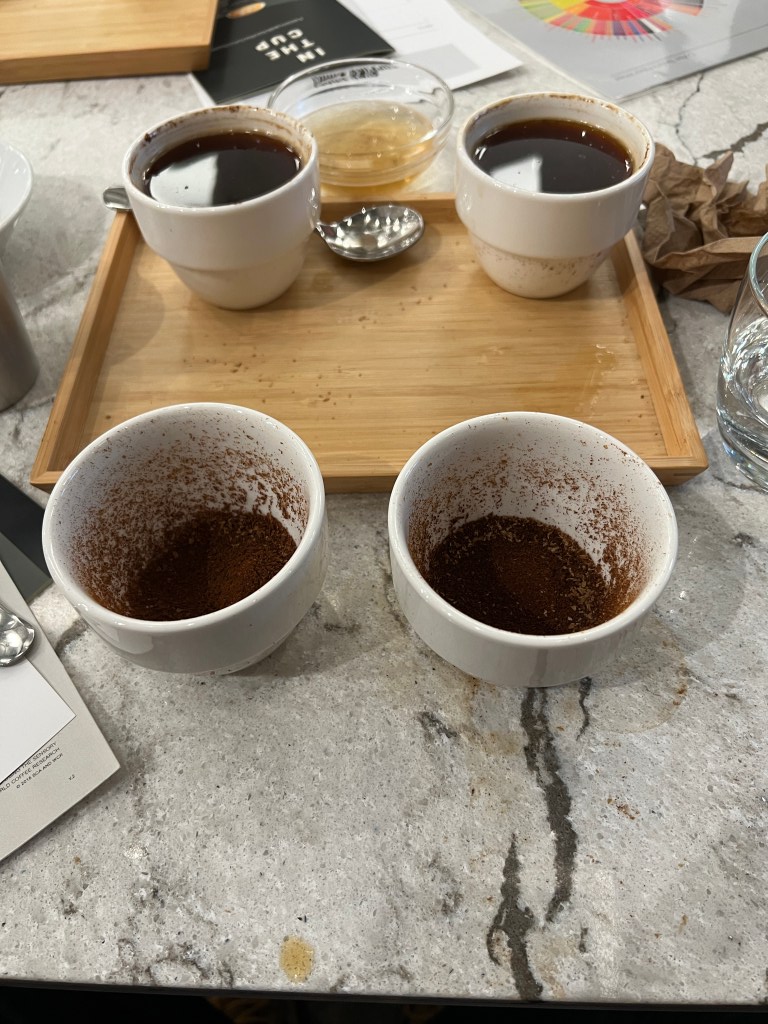
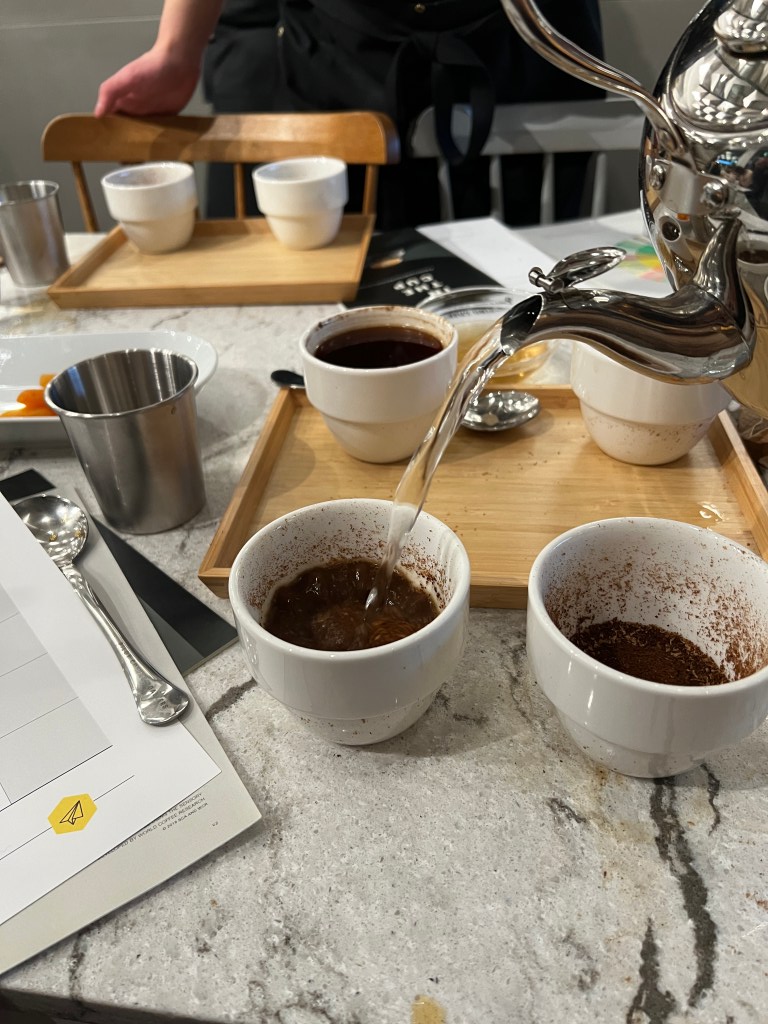
Then, hot water was poured in the cups, forming a crust. That sits for a bit and is smelled, and notes are made.

The crust is the broken, a two part process, involving two spoons. One to break the crust and the other to skim it off. More sniffing occurs and notes are made. We are trying to detect the characteristics on the coffee bags: is this nutty, creamy, buttery, floral, chocolatey? I found it more difficult than I imagined.
I could tell the cups were different but trying to attach them to Heritage or Ana Sora was hard work, especially as none of the participants did this every day. Finally, we tasted each cup in order, still only identified by numbers. The sensations change almost completely. What might have smelled ‘nutty’ without it being on your palate might have changed significantly. There were samples of dried apricot, dark and baker’s chocolate and toffee for reference.
The inelegant technique was quite effective, again much like wine. Slurp in the coffee, let it cover your tongue and then spit it out into a silver glass. It was the evening, so given how many times you slurped, swallowing it would provide a huge caffeine boost. I swallowed the first few and then spit it out, as did the professional tasters.
Finally, the identities were revealed; I got two out of four, which was about the average for the group. You had a one in four chance anyway of guessing. Then we were able to select a bag of coffee included in the price of the event. I wavered between Ana Sora but ultimately chose Heritage, which I had not had for some time, though I often order from Pilot.
Participating in the event was not only fun but it also upped my knowledge of how to understand and think about and taste coffee. I look at a cup differently, even if I never stage or take part in a cupping again. Coffee, like wine is very complex, full of different compounds, not all of which are understood. It was definitely an eye and palate opening, even for someone who considers himself a coffee connoisseur. And the coffees were really excellent and of course prepared perfectly. A splendid evening. Another one ought to be staged just involving espresso.
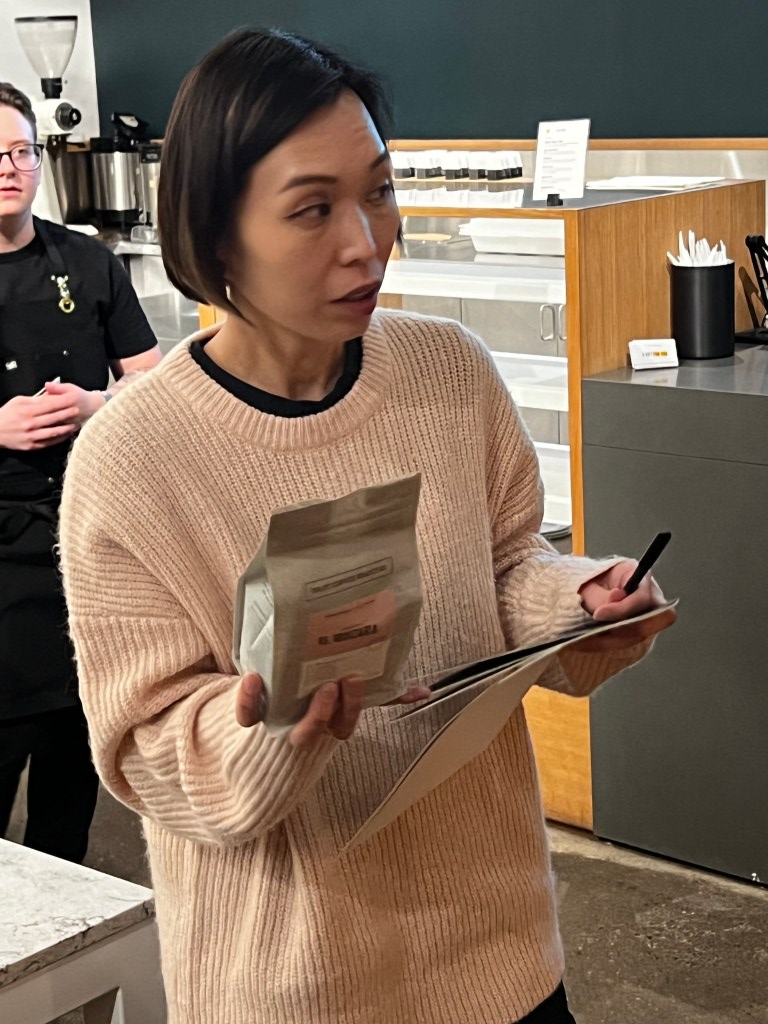

Although the holiday season is waning and Christmas passed without any whiteness, the province’s coffee roasters still have some supplies of specialty holiday blends, and this is a survey of some of the better ones, locally and on the coasts. The descriptions are wonderfully fanciful too and so are the blends; the roasters seem to put special effort into these combinations and they exhibit warm and broad flavours.
Pilot
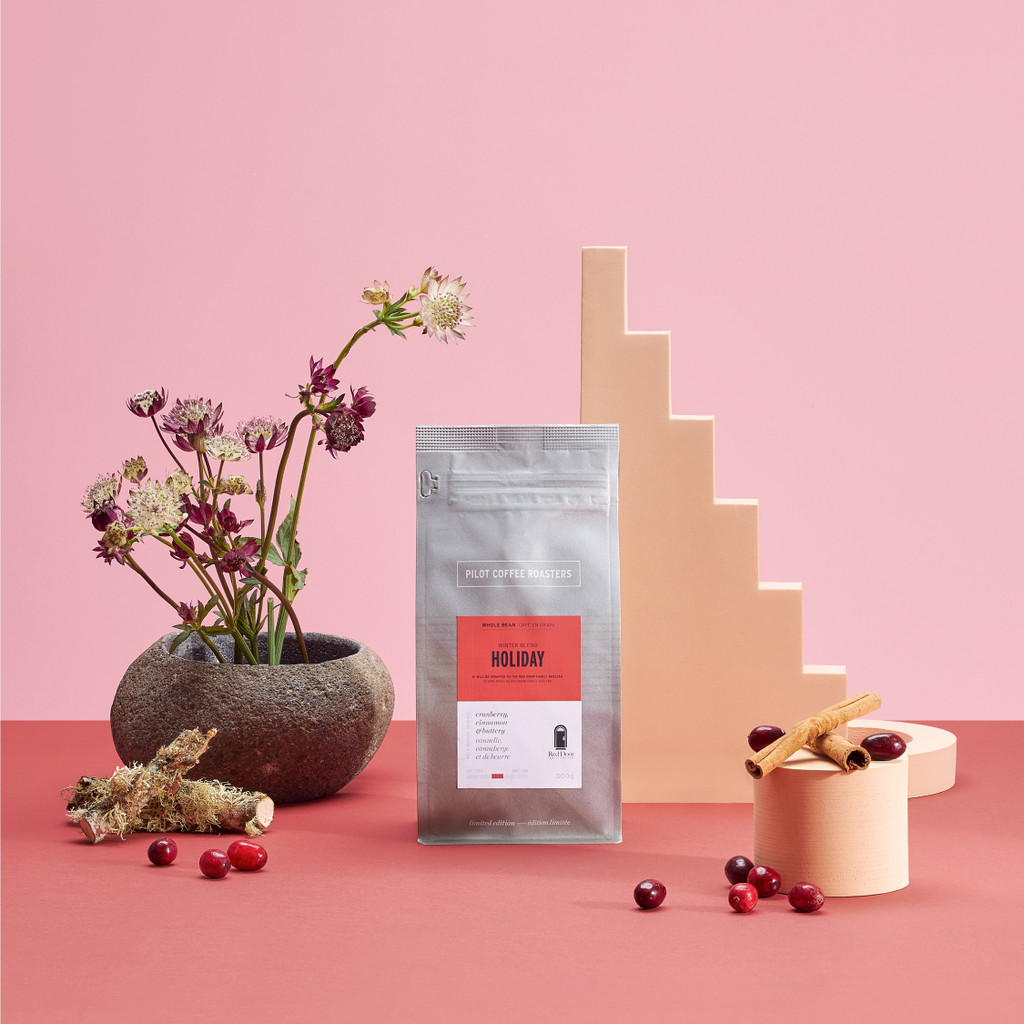
Pilot Coffee Roasters holiday winter blend speaks of cranberry, cinnamon & buttery qualities and sells for $20.50/300g. “It’s that time of year where we celebrate seasonal flavours coming together in perfect harmony. We draw inspiration by our favourite baked treats, with rich aromas that permeate our homes and holiday memories. This year we’ve combined an arrangement of varietals from Huila, Colombia, and Ethiopia’s vibrant Guji region. Expect notes of chocolate, cranberry acidity, and sweet cinnamon spice,” says Pilot. “A warm start to a chilly morning, perfectly paired with a sugar cookie, and best enjoyed with the ones you love.”
In addition, $1 from every bag is donated to the Red Door Family Shelter, assisting families, refugees and women in need. Pilot is excellent at shipping fresh beans all over the place so give this roaster a try.
Detour
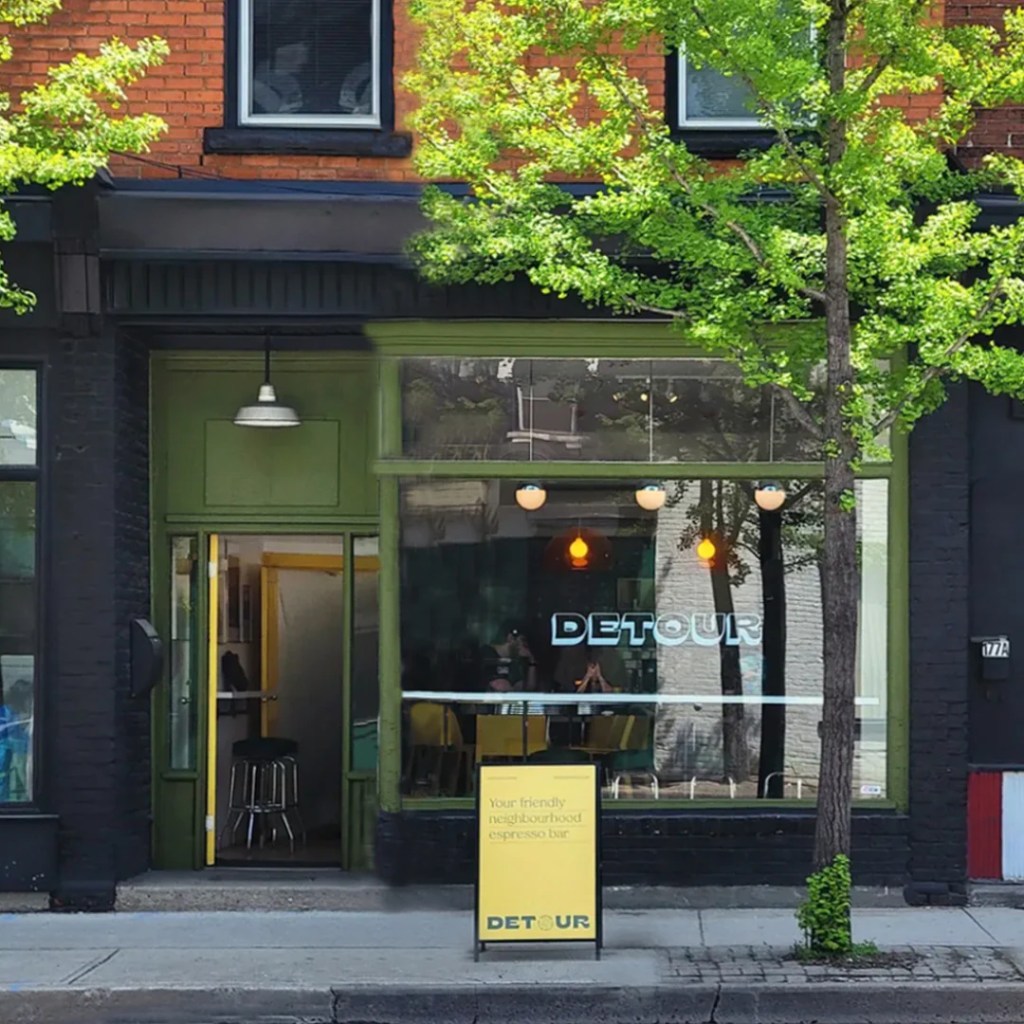
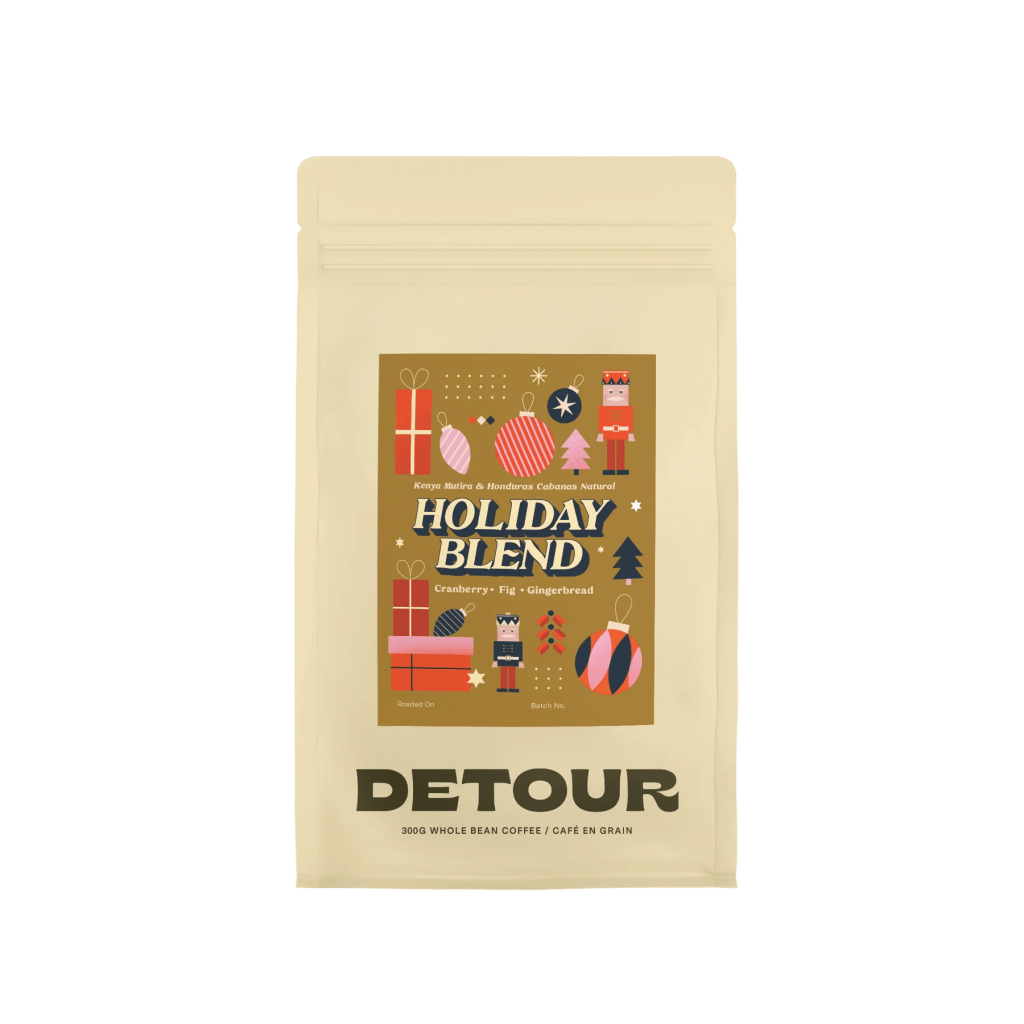
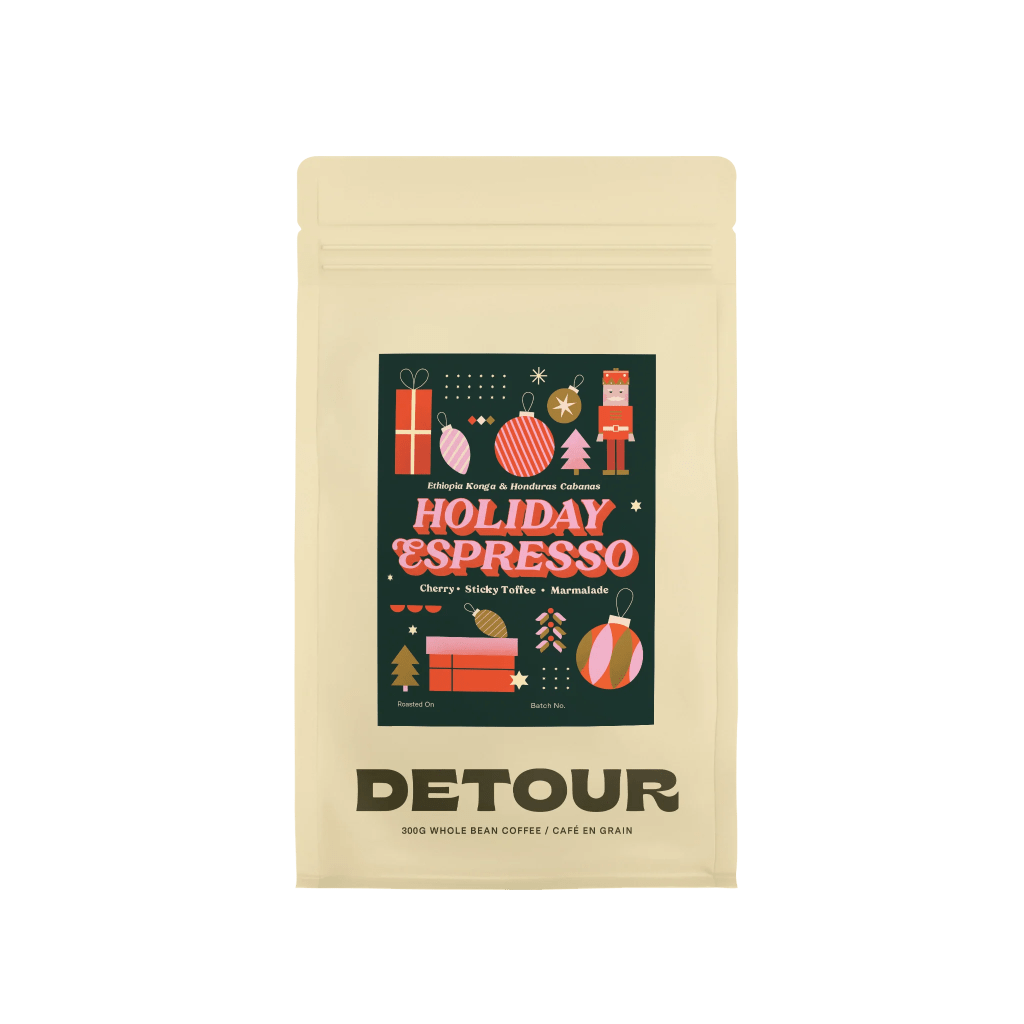
Hamilton’s Detour Coffee Roasters is a personal fave, especially with its Punch Buggy and Bouncy Castle espressos. It has both seasonal filter and espresso blends. “It’s cheerful and festive, like fresh figs, sparkling cranberry juice, stringing up bubble lights on the tree and Mariah hitting that opening chorus of ‘All I want for Christmas is you,’ while you ice gingerbread cookies. Detour’s holiday blend combines Kenya Mutira, a vibrant and winey-washed coffee. And a layered and sweet, fruit-forward, naturally processed regional blend from Honduras called Cabanas from the Santa Barbara region. The espresso version “feels ultra cozy, warm and nostalgic, with just the right touch of elegance, like fresh cherries, a slice of stollen topped with sweet marmalade, and indulging in a sticky toffee pudding while watching Home Alone, with ‘I’ll be home for Christmas’ crackling in the background.” One can always depend on Detour for whimsical descriptions. Both blends are $23/300 g.
Propellor
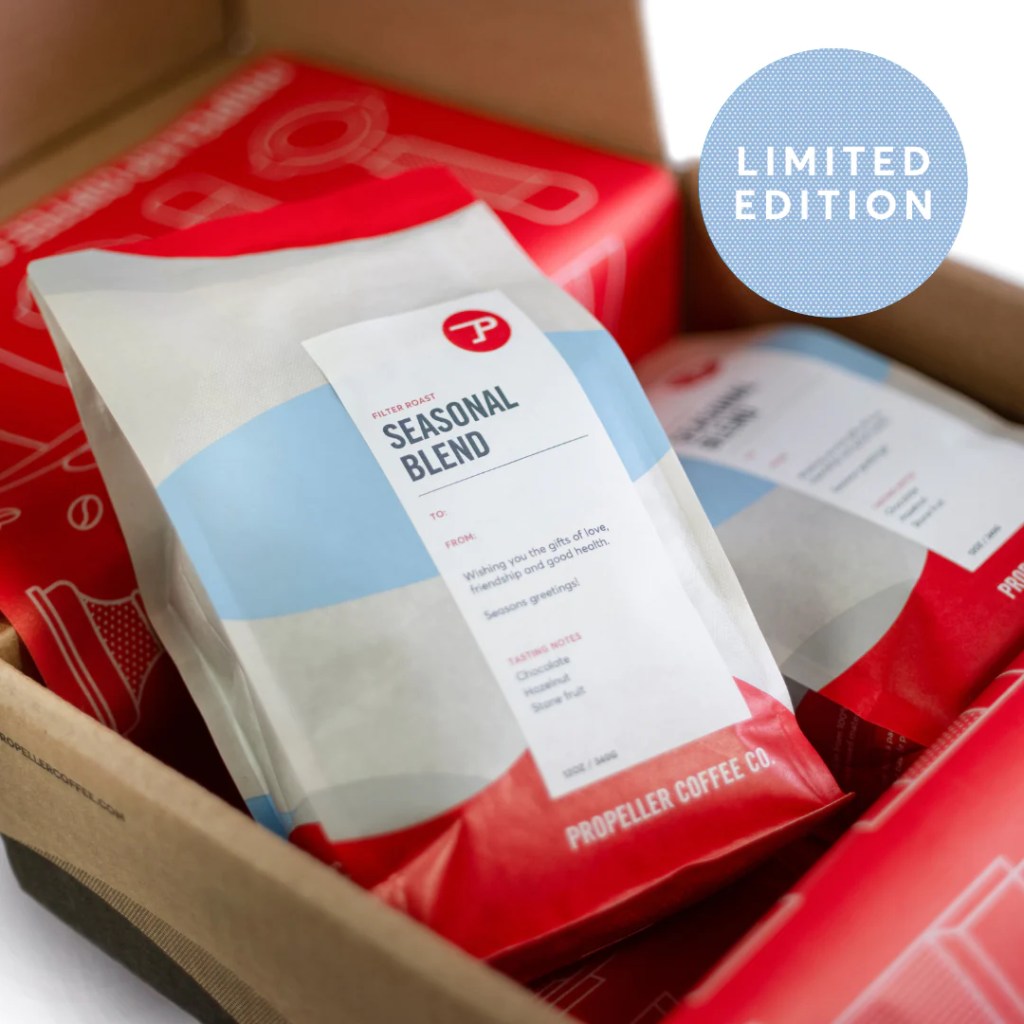
Propellor’s Limited Edition Seasonal Blend is “the perfect cup to curl up with, or a fantastic gift for the coffee enthusiast in your life! There are two incredible lots in this blend – Burundi Kibingo + Guatemala San Gerardo – and supplies are now limited. Tasting Notes describe Chocolate, Hazelnut, Stone Fruit. $21.5/300 g.
Java Works

Back for a limited time, Java Works’ Holiday Blend is “created with the winter months in mind. This Arabica blend boasts rich nutty and roasty flavours with a deep chocolatey finish. Perfect to warm you up through the holidays! While supplies last. $14.95 300 g (a bargain).
Firebat Coffee Roasters

Holiday Blend 2023 edition is here! “We are excited to share with our coffee community a carefully crafted coffee for this season. The combination of washed and anaerobically processed pacamara with a delicate naturally sun-dried bourbon results in a multiverse of chocolate undertones. Heavy notes of dark chocolate covered fruit radiate from this coffee regardless of brewing method. “$21/340gThis blend also helps those in need during the holiday season, as $1 from every bag sold goes to Oakville Fare Share Food Bank.
Jumping Bean
A lively roaster from Newfoundland, with seven cafes, Jumping Bean offers “carefully selected beans combined with the taste of graham cracker and mixed with the flavours of cinnamon, vanilla and hazelnut.” $15.99/340 g.

Gelato and Espresso go together like love and marriage or something like that. Two peas in a pod. And in Italy, the Mother Church of Gelato, every gelateria serves truly excellent espresso. Thankfully that is the case here, too. Coffee culture means coffee bars, roasters, accessory places and other developments in the GTA coffee scene. For example recently, wandering down Yonge St., I came across Beanwise, 2097 Yonge St., one of three GTA locations: the others are in Mississauga and East York.
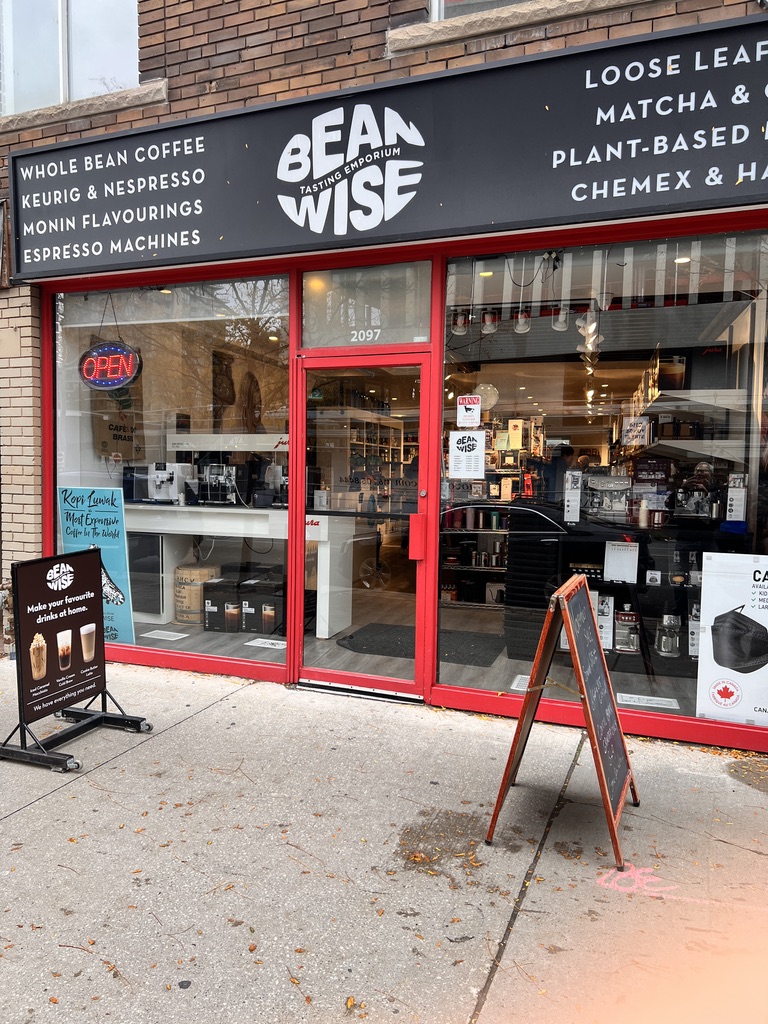
They have it all
I was very impressed. It claims to be “Canada’s largest coffee and tea tasting emporium offering a huge assortment of coffee beans, coffee pods, tea, and equipment & accessories.” And I believe it. It had everything in an impressive layout and very nice people staffing the place.
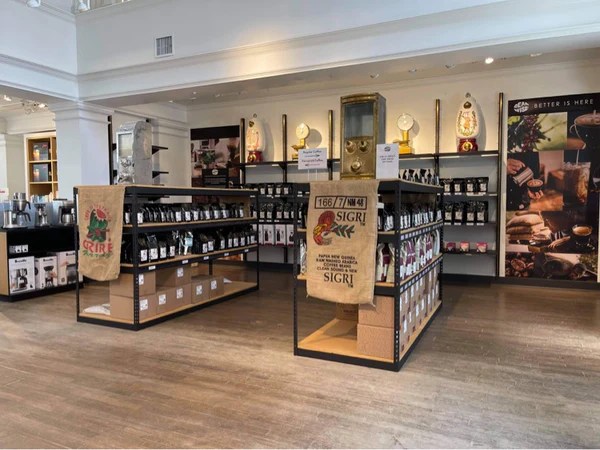
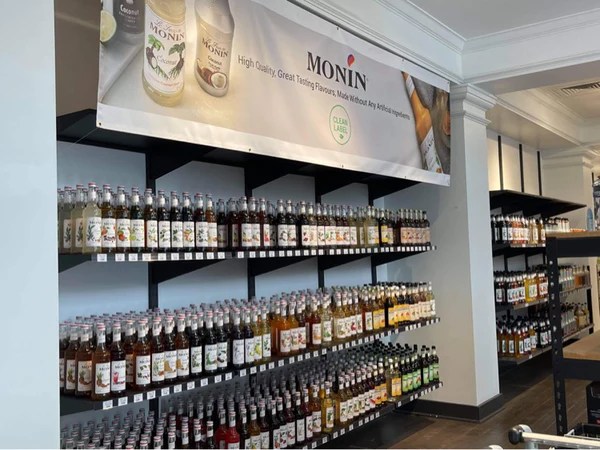

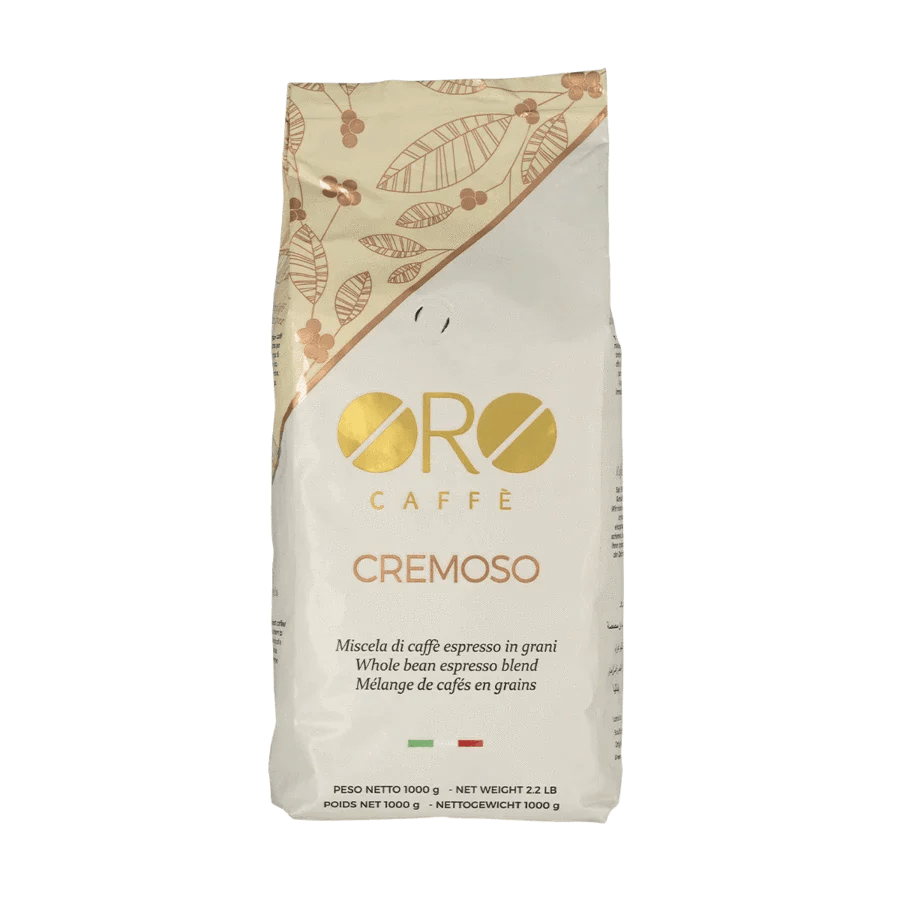
I bought the place’s staff-recommended Cremoso blend, described as “a blend of coffees from Vietnam and Brazil. It has a very thick creama with small brown stripes. A balanced cup, with an aftertaste of caramel and toasted bread, this blend reflects the Italian taste of drinking espresso.”
In other news, Pilot Coffee, one of my longtime favourite roasters, has finally made it uptown. There are cafes that serve Pilot, like La Boheme, 2481 Yonge St., but not a Pilot run cafe, which is a special place. Everytime I am passing through Union Station, I always stop there and have a cortado before a game. The 11th cafe has just opened at 1 St. Clair East.
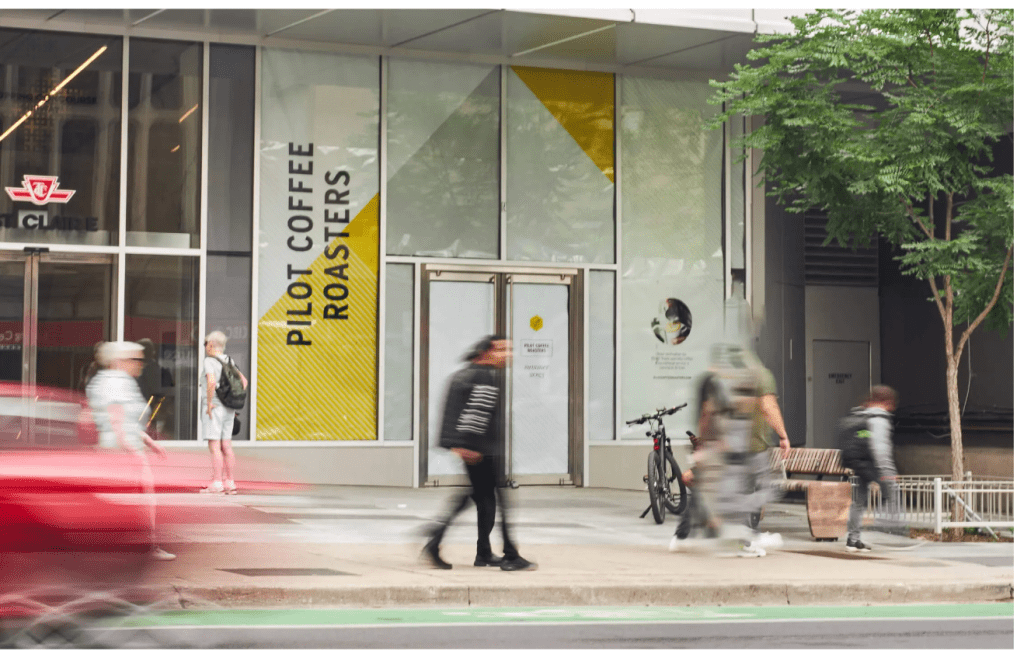
It’s small but offers the full gamut of coffee drinks and has Pilot beans. For years, I have ordered Pilot beans online; they’re delivered quickly and are very fresh. Once I visited the roastery and tasting bar at 50 Wagstaff Dr., a memorable experience.
At the new Pilot café I picked up El Retiro, a new espresso blend from El Salvador, described as “from a Cup of Excellence winning farm, El Retiro coffee cherries grow under the shade of Inga and other mountain trees. The heavy leaf falls from these shade trees promotes soil fertility and, in turn, cup quality.
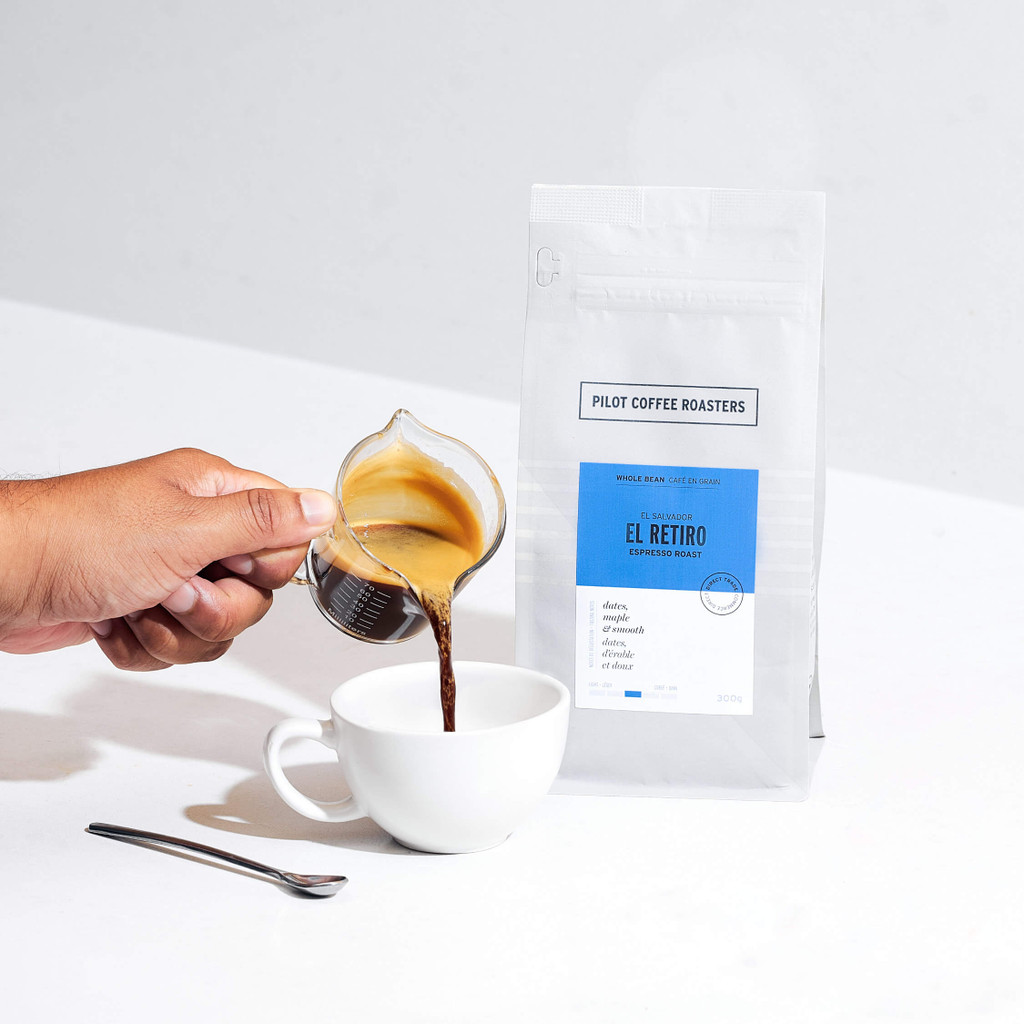
Although El Retiro is developed for espresso, classic coffee lovers will enjoy this one no matter the brew method.” It’s the first time Pilot has labeled something for espresso, which others like Vancouver’s 49th Parallel have done for years. Currently, 49th offers nine different espresso varieties, including two seasonal holiday blends. I order from there a lot.
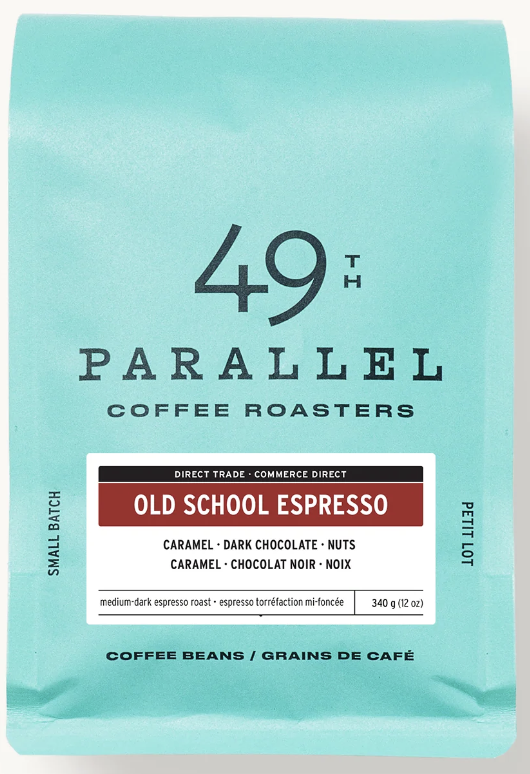
My personal favourite is Old School Espresso, described as “Old School Espresso is “49th’s most traditional espresso, with a Pacific Northwest twist! Roasted medium-dark, highlights the sweetness and body of the coffee. Old School is ideal for those who prefer low acidity and full-body, with dark chocolate aromas and flavours of cocoa, caramel, and molasse.”
So happy sipping!
Every morning, all around the world, more than 2.25 billion cups of coffee are consumed each day. And I am one of those drinkers as I am sure if you are reading this, you are too. We can’t start the day without that cup, in whatever form. I either fire up my Saeco PicoBarista and pull a cappuccino, feeling like I am in Rome or something like that.
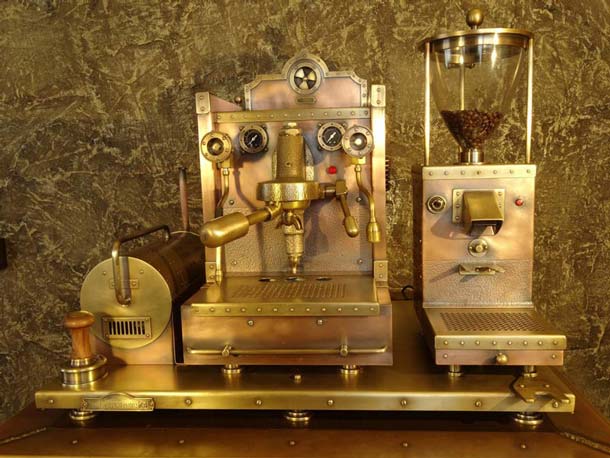
Or I drop a scoop of beans into my Baritza Virtuoso grinder, one of the best and most reliable versions, and slowly make a pourover, with my new Vario V6 02 funnel, with the waves on the slide to slow down the coffee and let it brew. Poured Propeller’s Inca Peruvian brew today. Nice and floral, lives up to the description.

Coffee first came to Europe through Venice. Because of their vibrant trade with North Africa, it was through these Venetian merchants that coffee was introduced to the rest of Europe. In 1600, Pope Clement VIII, baptized the drink – making it more acceptable to European markets.
In 1652, Pasqua Rosee (the proprietor) and Daniel Edwards (a trader in Turkish goods) opened the first reported coffee shop at St Michael’s Alley in Cornhill, England. Coffee became so popular, that within 100 years, at least 3,000 coffee houses were operating there. In France, coffee became a popular drink for the Parisians by 1670. Vienna had its first coffee shop open in 1683. In a short time, coffee and coffee houses spread throughout Europe. Coffee had arrived as a popular drink, and a traded commodity.
The scoop about a coffee obsession
I can trace my coffee obsession to one particular Seventies day in New York’s Greenwich Village. My college friend Art Becker and I were wandering the streets of the then still-hip enclave, feeling very Bohemian, when we came upon a smell.
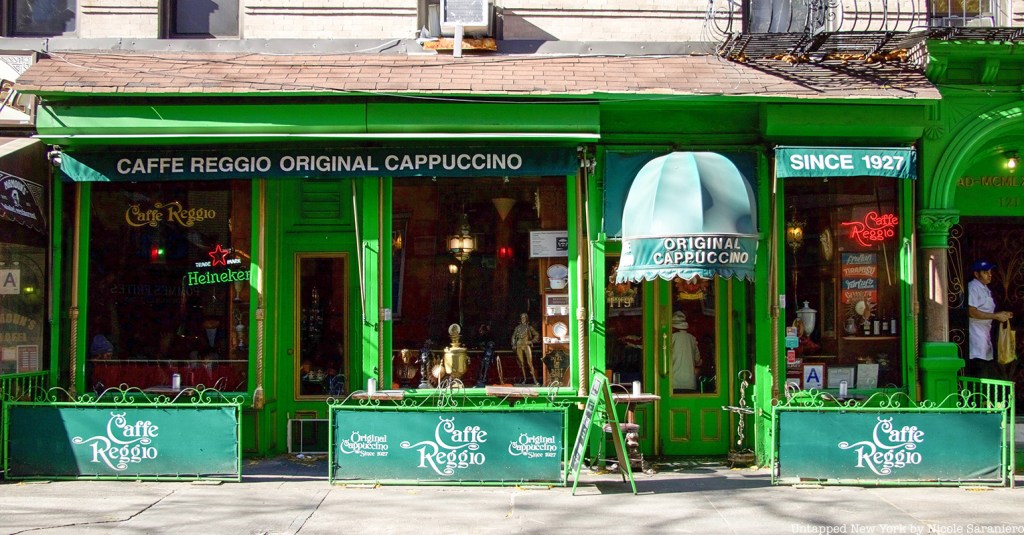
A strong coffee odor. But stronger and deeper than anything my mother’s morning percolator brew ever gave off (she stuck with that for pretty much her whole 94 year old life, despite my protests). “It’s how I like it,” she’d say. The life-changing fragrance came from Shapiro’s, an old time roaster that supplied Village’s many coffee houses and espresso joints in the Village.

A huge roaster was groaning as it made circles with the beans and the scent wafted everywhere in the store. It was transformational. I didn’t know from grinding my own beans or all the gear that came with the Third Wave coffee revolution, after Starbucks changed appreciation for coffee’s potential and there was a new standard for taste and a deeper love for the espresso technique, even though it’s now been besmirched with all the sugary variations: pumpkin spiced latte, dulce de leche.
Art and I realized we could not only take ground coffee in a bag with us but he’d also send it to our school in Vermont, Bennington College. We didn’t know what we were doing and put it in a percolator, but it was one magnitude better than anything we had at the College or anyplace else. Thank you, Shapiro’s; it’s not there anymore but of course there are numerous places here, there and everywhere touting that they have the freshest, most exotic beans. And some do.
- The stats of coffee consumption are staggering by the way.
- 3 in 4 Americans drink coffee every day (74%)
- 49% of people drink 3 to 5 cups of coffee a day
- 32% of people purchase coffee from a coffee shop 1 to 3 days a week, with many spending $20 or less a month
- 56% of people agree that drinking coffee benefits their health
- 39% of people report Starbucks coffee is their favorite brand
The United States, number one on the list, consumes 26,651K bags while Canada slurps down 3,929K.
In terms of pounds per person, the smallest countries are the largest
- Finland (26.5 lbs) (3 times the amount of the average American)
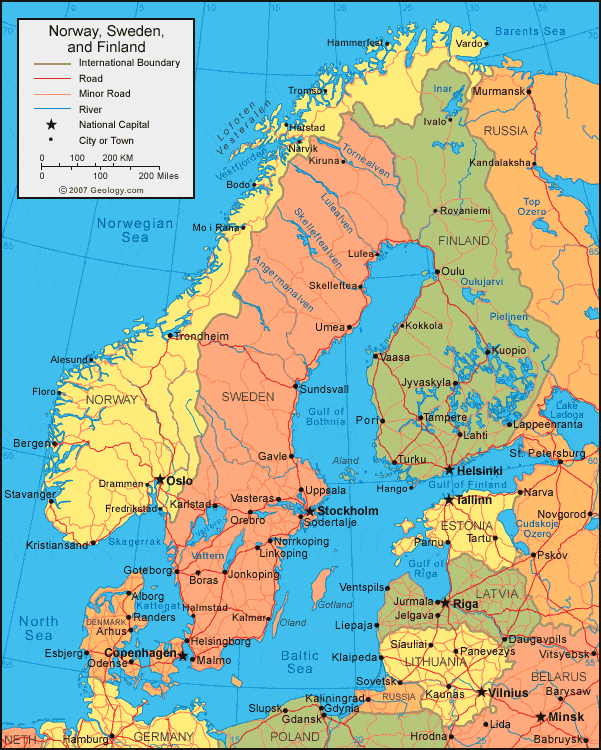
Coffee is an integral part of Finnish culture. With average coffee consumption more than 20% higher than the next country on this list, they are claiming the top spot with ease. Coffee is so important that days are literally defined by the coffee breaks they will take.
- Norway (21.8 lbs)
There is no debating the love Norway has for its coffee. Coffee is a major part of a Norwegians’ daily life and with coffee shops lining the streets of their most populous cities, it’s very easy to keep this habit going strong. Some attribute the insanely high coffee consumption to alcohol prohibition in the early 1900s since it was during this time that coffee consumption started to skyrocket.
- Iceland (19.8 lbs)
I have a funny suspicion that the coffee consumption here can be linked to long periods of almost total darkness and a climate that is notoriously cold. Either way, Iceland has developed a great reputation across the specialty coffee world. If you’re in any major city, you will see a bunch of cozy, locally owned coffee shops that are a far cry from the sterile chain shops you might find in other countries.
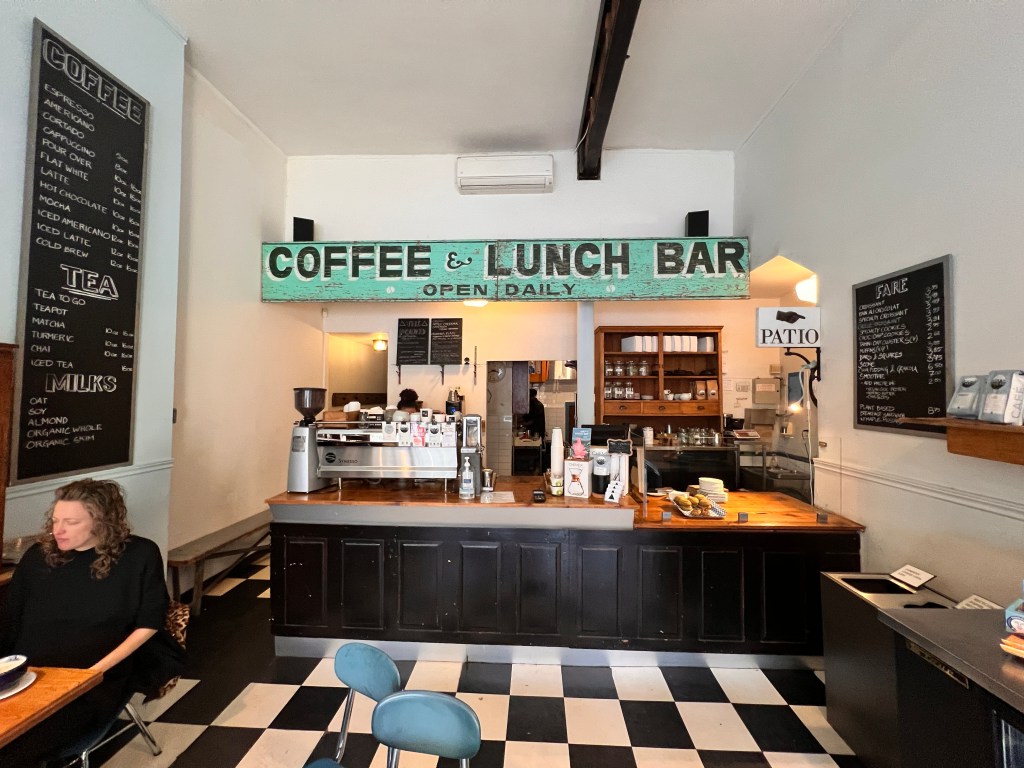
Cappuccinos and lattes are tied for America’s most popular coffee beverage, followed closely by plain espresso and cafe mocha. 41% of coffee drinkers use a drip coffee maker, followed by single-cup systems (27%), cold brewing (9%) and espresso machines (8%)
Fourteen billion espresso coffees are consumed each year in Italy and Italians consume approximately 3.7 Kg of coffee per capita I’ve never met anyone who drinks two cappuccinos or more in a day. For espresso, an average Italian has three cups per day.
Four of 10 people oscillate between a minimum of two cups and a maximum of three, while the same number consumes three to four cups of coffee a day. Over 270,364 people work as baristas, and over 57.5% of these baristas have 10 or more years of experience. No wonder the coffee is so good there.
In short, there’s nothing quite like sitting down with a cup of coffee, either by yourself at the breakfast table, or with a friend at a café. It’s a moment of bliss, at all times.

So now you know everything you ever wanted to know about the world of coffee. Future posts will explore all the places in the world coffee is grown, and the remarkable places like the Coffee Express Co. that offer these coffees and why despite being a coffee connoisseur, I like Tim Horton’s. I don’t care about the blowback. I just do.
 Ricardo's Gelato and Food Blog