I can remember exactly when I first tasted creamy but sour yogurt. It was in France on my backpacking summer, after the first year of university. One of the money saving tips was to eat at university cafeterias, heavily subsidized, and no ID necessary. Cheap lunch and virtually every student had a ‘petite Danone,’ a small container of yogurt and a flavour like strawberry or blueberry. And in the French fashion, the tastes were perfect: the ripe, sweet strawberries combined with the tart and sweet yogurt.

I’d heard of yogurt, but I am quite certain no one ever bought it when I was growing up. Maybe in ethnic communities, like Greek restaurants and markets. I must have had it every day on that backpacking trip and when I returned it started appearing in stores and became a staple of my diet.



While at Bennington College VT, my college girlfriend, the second Ellen in my life, and I lived in a farmhouse across the line in New York state, being rich hippies, back to the land. I even worked on the farm, fertilizing pine saplings for eventual sale as Christmas trees.

A new product was introduced, the Salton yogurt maker from a company that made gadgets like that. It had a plastic case that housed four or five containers that incubated the yogurt. One still had to boil the milk, cool it and start the yogurt. They were purchased when yogurt wasn’t so readily available It didn’t last very long as soon commercial brands like Danone and AstroBalkan yogurt here in Canada. And that was it for making yogurt. Yogurt is expensive for relatively small quantities and over the years I bought numerous cups of it and never thought of making it again, or even what I’d save. At current prices, 750 grams of plain yogurt is $5.10. Two litres of 3.% milk is about $5.44 and makes an equivalent amount of yogurt.
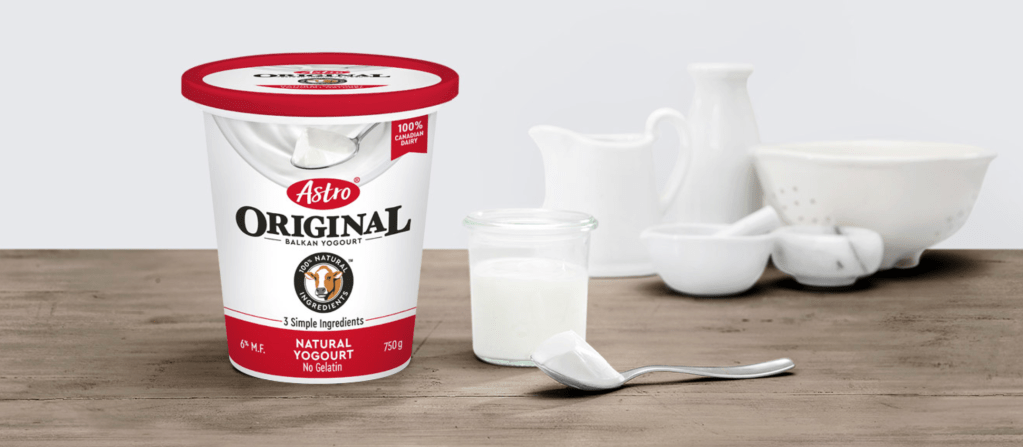
Yogurt, a wonderfully pure substance, is produced by bacterial fermentation of milk, in which the sugars produce lactic acid, which act on milk protein, giving it that familiar texture and characteristic tart flavour. In addition to cows, yogurt can come from water buffalo, goats, eyes, mares, camels and yaks.

Industrialization of yogurt production is credited to Isaac Carasso, who, in 1919, started a small yogurt business in Barcelona, Spain, naming the business Danone (“little Daniel”) after his son. The brand later expanded to the United States under an Americanized version of the name, Dannon.
It was popularized by John Harvey Kellogg at the Battle Creek Sanitarium, where it was used both orally and in enemas, and later by Armenian immigrants Sarkis “Bob” and Rose Colombosian, who started “Colombo and Sons Creamery” in Andover, Massachusetts, in 1929. Colombo was yogurt’s gold standard at the beginning of the yogurt era and Bob lived until 92, so he must have eaten a lot of yogurt. Many say yogurt can assist in living a long life, as seems to have occurred in Soviet Georgia with its very thick Masoni yogurt.
I was like everyone else, buying expensive yogurt at the supermarket, $6 or $7 a container and not really questioning it. Then the incredibly versatile Insta Pot came on the scene, and there was a yogurt setting apart from its other pressure cooker applications. This I had to explore, after all the times I had made gelato.
There are lots of recipes on line. Pour two litres of whole milk into a clean metal Insta Pot canister. Seal the lid. Go to ‘boil’ on the yogurt setting, and leave it be. It’ll beep when done.
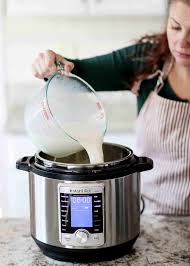
Then remove the top and take out the hot canister and put it on a plate or trivet
Give it about 30 minutes to cool down. Check the temp; when it gets down to 120F or so, take the old yogurt starter and mix it in with the cooled down milk.
Recommended hack: bloom a packet of Knox gelatin powder in some gently heated milk from the original batch and then mix that into the yogurt and milk combo. The gelatin is tasteless but it thickens the yogurt just enough to give it more body than just heating it for 12 hours in the Insta Pot. The more gel the thicker but I use just one package.
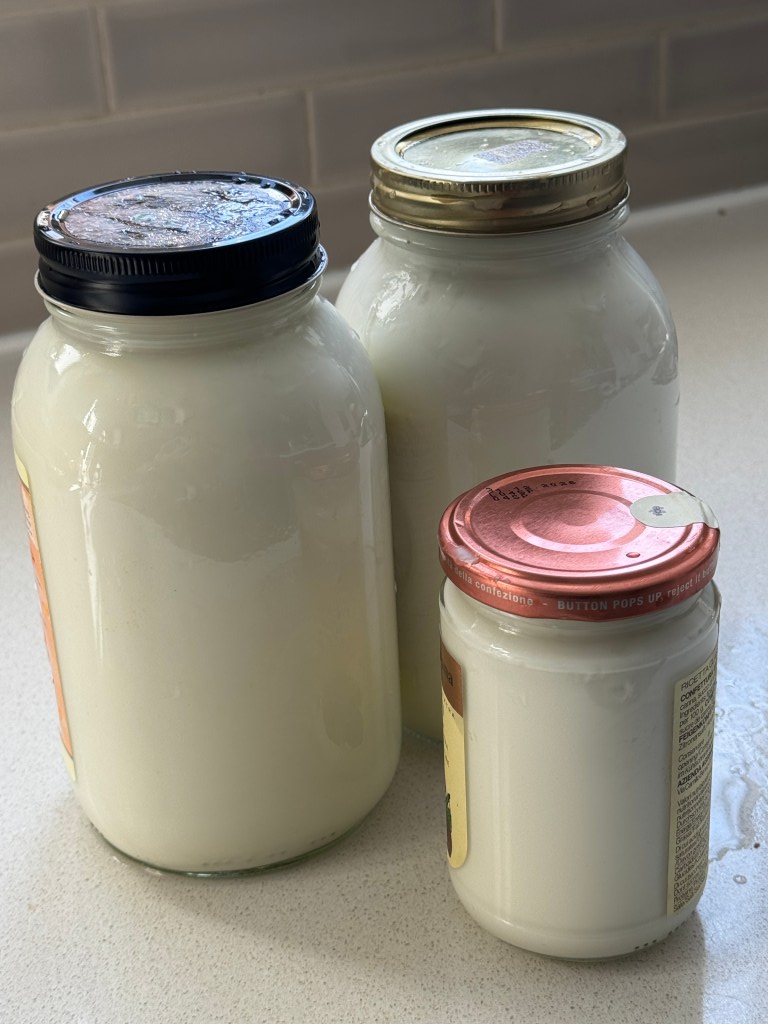
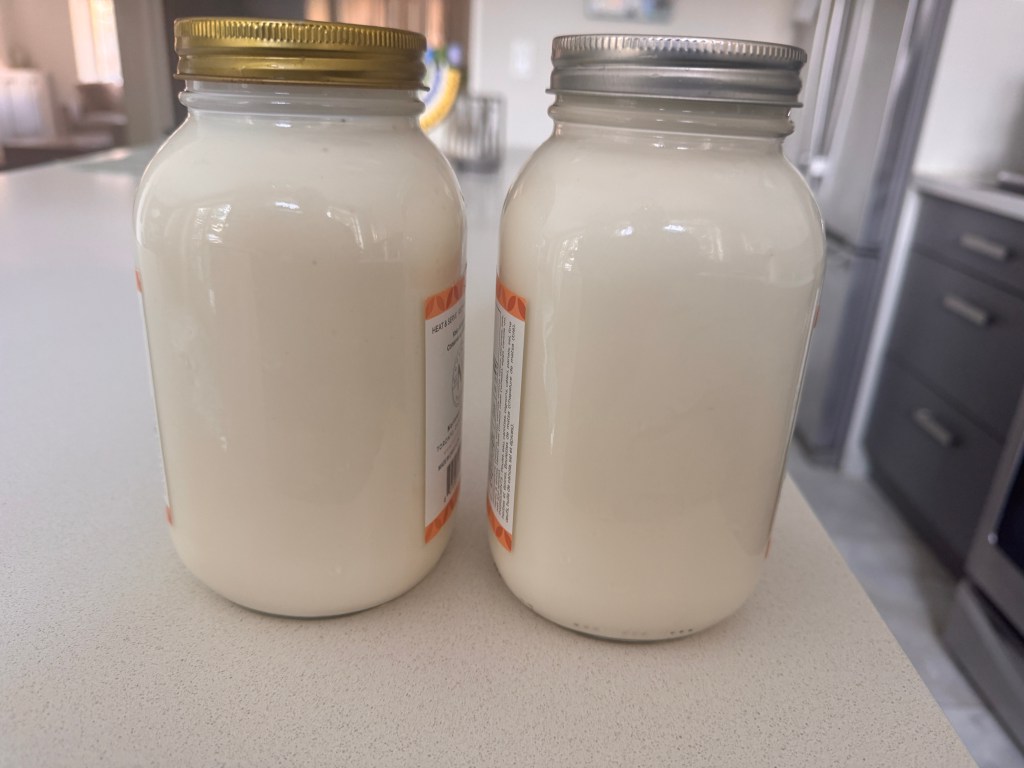
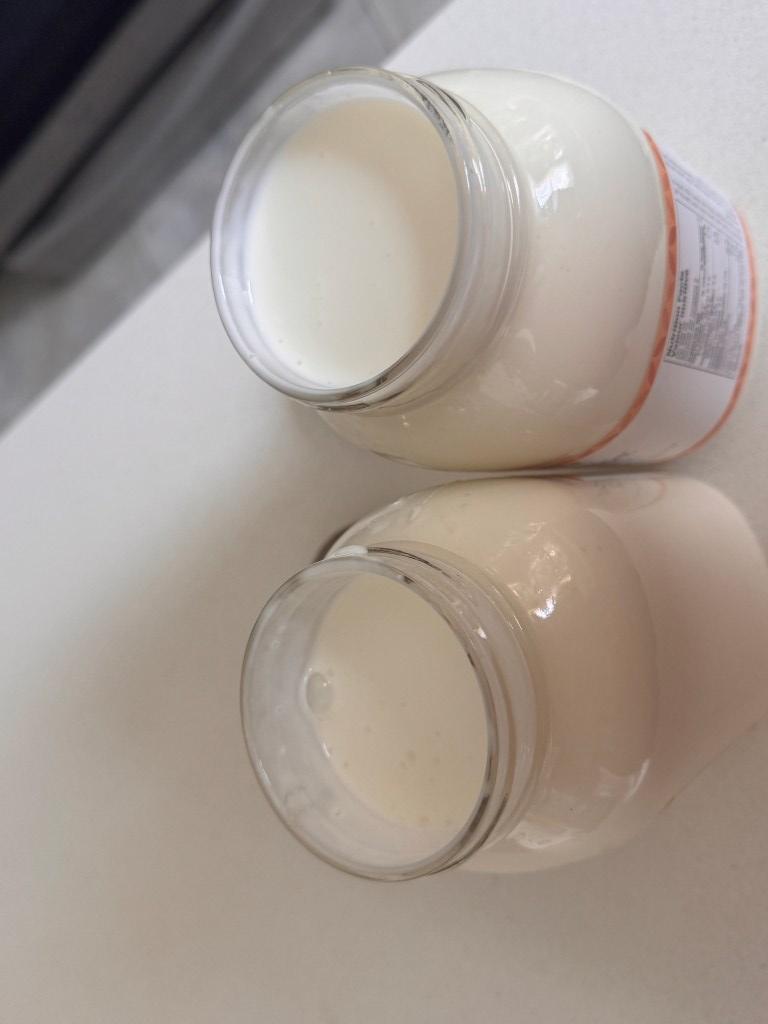
Then after it sits in the warm pot, the longer the better, it has to go in the fridge. This is the final touch, before it’s stirred and then poured into clear glass jars. This is a moment I love. The pure white fermented milk, so expressive of the dairy products’ virtues and abundance – from cows we get milk, cream, butter, cheese, ice cream, gelato, yogurt, whipped cream, whey and more. Sliding the two untouched glass jars into the cold fridge, all from products we sourced and used. It’s very comforting knowing exactly what is in the products one makes and seeing the alabaster nature of the final product is very rewarding providing a special boost that is not possible with all my gelatos in opaque containers. Try it; it’s very worthwhile.

Mix in some honey or preserves, flavour with vanilla extract and definitely pour over berries and bananas.
 Ricardo's Gelato and Food Blog