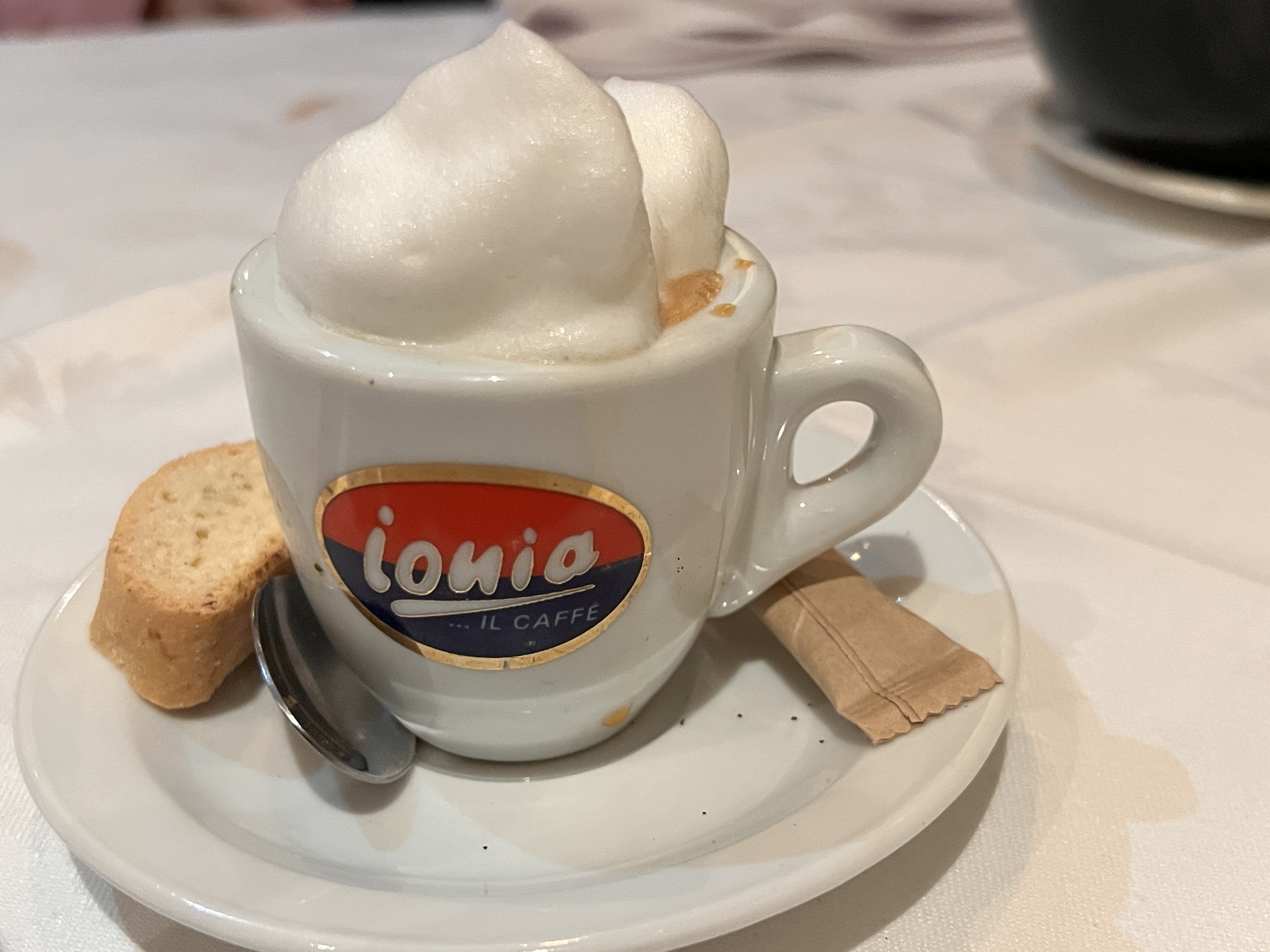
Winter is a creative time; time on one’s hands, and thoughts of gelato flavours abound. I had a very strong urge to craft gelato over the holidays and came up with some good things.
The current flavour line up is:
Ricardo’s signature chocolate fondente, or dark chocolate sorbet, no dairy

Skor: a unique Ricardo’s flavour, combining a vanilla-pod base, with chopped up Skor bars. I am required to keep it in stock always.
Lemon ricotta, honey almond yogurt, caramelized banana
And the newest entrant, chocolate hazelnut.


The first flavour I ever made, after receiving my Cuisinart gelato machine for my birthday, was chocolate hazelnut, with a recipe from the book that came with the machine. Candidly, in the more than two years since then, I had not made it again. It was too sweet. The flavour seemed artificial. Corn starch was the thickener. The use of Nutella seemed offbase when I was aiming for natural flavours.
And yet, if you asked me what my all-time favourite gelato flavour would be, I’d say hazelnut itself, one of the hardest to make, given a great deal of hand work required, particularly with roasting and peeling the nuts’ skin. A lot can go wrong with the flavour balance too. But it’s very rewarding, unique among gelato flavours, with its balance of nutty acidity and the sweet surrounding base.

A grateful patient sent my spouse a tray of milk chocolate Ferraro-Rocher candies, the round ones wrapped in gold and dotted with crunchy hazelnuts. Immediately I thought of making it into gelato; I’d seen the flavour in gelaterias, prized, and not offered as tastes due to its expense. Those candies are so good that they disappeared one by one, or two by two, with me feasting on them along the way. Soon there weren’t enough to use for gelato; I was also admonished that the ingredient was a bit too costly to use that way.

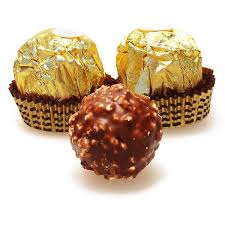
According to the company, Ferrero Rocher chocolates are considered expensive for several reasons:
- High-quality ingredients, including hazelnuts, chocolate, and a delicate wafer, sourced from select regions.
- Complex and supposedly secret production process, involving multiple intricate steps, including creating the signature hazelnut filling, the delicate layering process, and the gold foil wrapping also adding to the cost.
Could the expensive candy be duplicated without the candy itself? Ricardo’s thought it could be. Maybe not exactly with the particular type of chocolate and wafers but close. And once a food processor grinds the candies into bits those expensive ingredients, like the layering process and the hazelnut filling, might be lost. I began to research the best method.
It turns out that most recipes — even Giada’s –call for Nutella, that ubiquitous mix of hazelnuts, sugar and cocoa cream, which by the way is consumed most in Luxembourg, France, Italy and the U.S. Immigrant communities like the Italians in Toronto have also brought the spread with them. Personally, I prefer peanut butter, 100% peanuts nothing else. Or hummus, which I also make from scratch.

For the flavour, I put together milk, cream, sugar, Nutella, a touch of my house made vanilla extract (from pods used in other flavours) and then roasted, peeled and chopped hazelnuts. Roasting hazelnuts enhances the nutty deep flavour.
One chef, a disgraced one you might know, advocates roasting them for 40 minutes for his former New York restaurant’s hazelnut gelato. I tried that; it’s a bit much. About 20 will do it to bring out the nuttiness and sweeten the bitter nut’s flavour. The result, one of my best: a milk chocolate gelato permeated with hazelnut essence, both from the nuts and Nutella. A real crowd pleaser not too chocolatey dark — like my signature dark chocolate sorbet — but right in the middle and milk chocolate does have its virtues.
 Ricardo's Gelato and Food Blog