What’s a cupping session, coffee aficionados might ask? It’s similar to a blind wine tasting only with coffee. It has multiple parts, while in wine tastings, the liquid is poured and sniffed and tasted. That’s it.

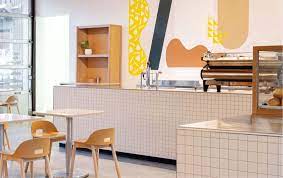
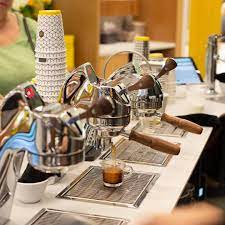
Pilot Coffee Roasters recently held a public cupping event at its 117 Ossington Café. Cuppings apparently are held almost daily at Pilot’s Roastery for those involved in the business, but this was the first one for which tickets are sold for those on its mailing list. About eight people attended, and two Pilot experts, Mar and Conrad, conducted the evening.

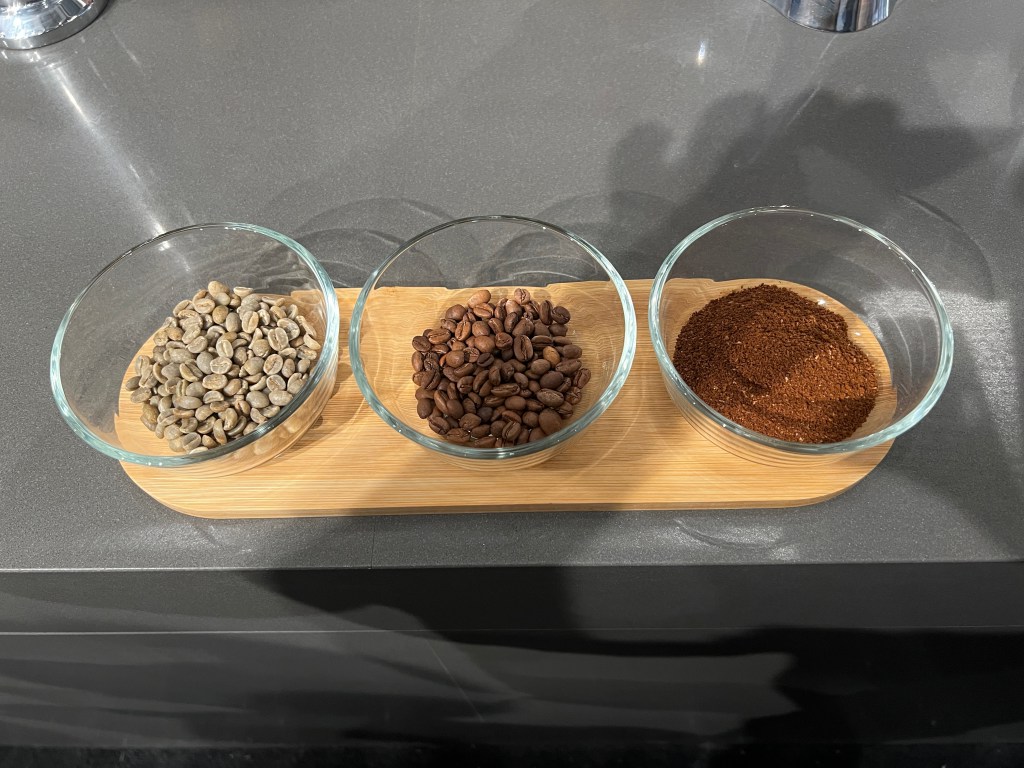
They were incredibly knowledgeable. We first heard a short presentation about coffee cultivation and processing, specialty coffee (above 80 on a rating system), and the magic of expertly roasting green beans, which we examined and smelled, along with ground coffee.
Then the cupping: Coffee is freshly ground and placed in four cups. The identities were known to Conrad but not to Mar. We sniffed the grounds and made notes, knowing it was one of these four varieties:

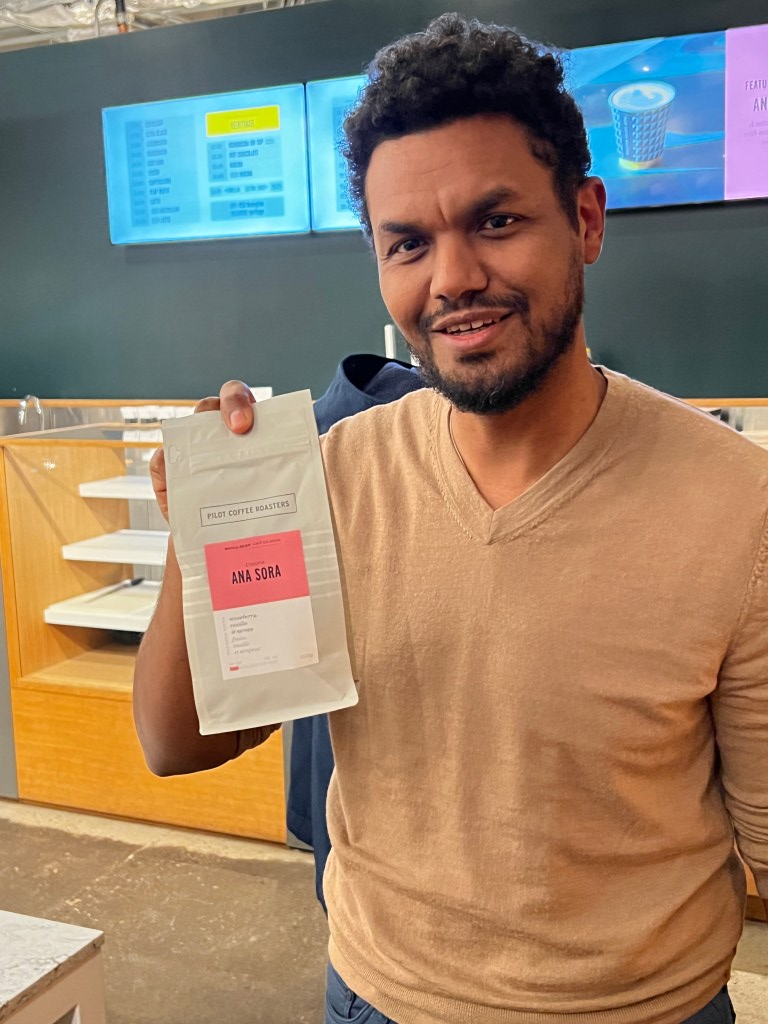
Ethiopian Yirgacheffe Ana Sora, a Pilot fan favourite, naturally processed light roast, described as Strawberry, Vanilla and Syrupy. It’s the roaster’s “highest grown coffee which slows cherry maturation to a crawl and creates wildly sweet flavour and complexity.”
Guatemalan San Jerónimo, direct trade (purchased directly from the farm) baker’s chocolate, raisin & buttery “Very balanced, creamy and has a wonderful nuttiness that seems to return every season.”
Costa Rican El Quizzara, honey processed, dried apricot, cashew & creamy
Heritage blend, seasonal changes, toffee, milk chocolate & creamy ‘signature roast defies all expectations of a ‘classic’ coffee. Sweet, full-bodied and pairs excellent with milk.” (A fave of mine year after year)
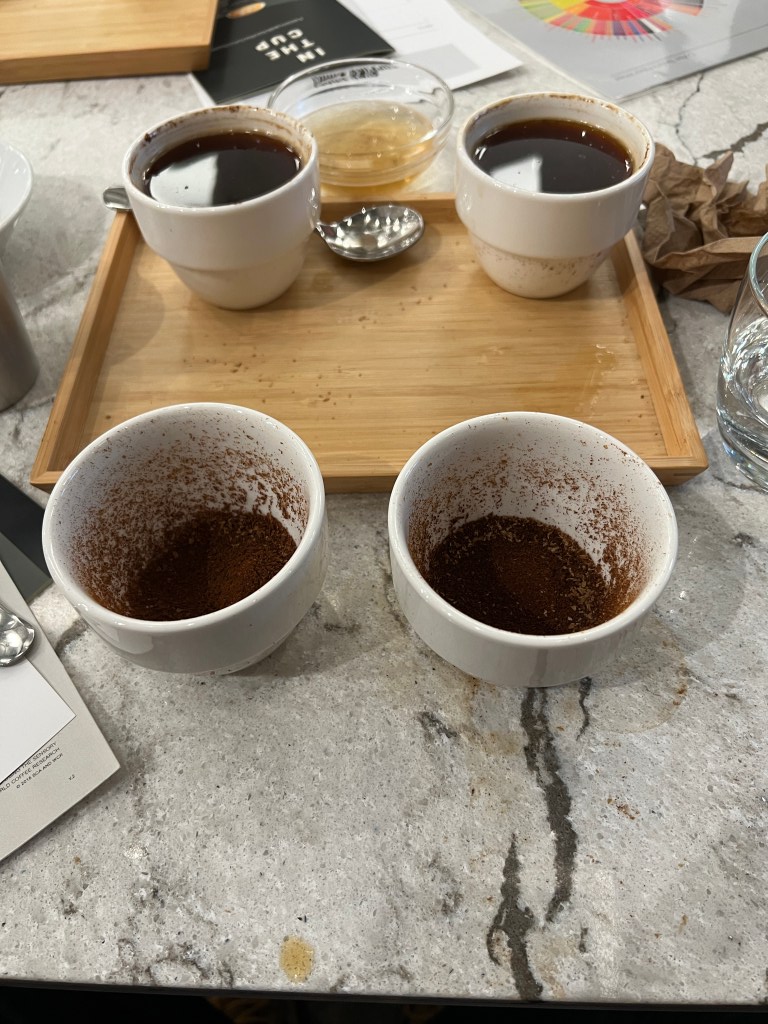
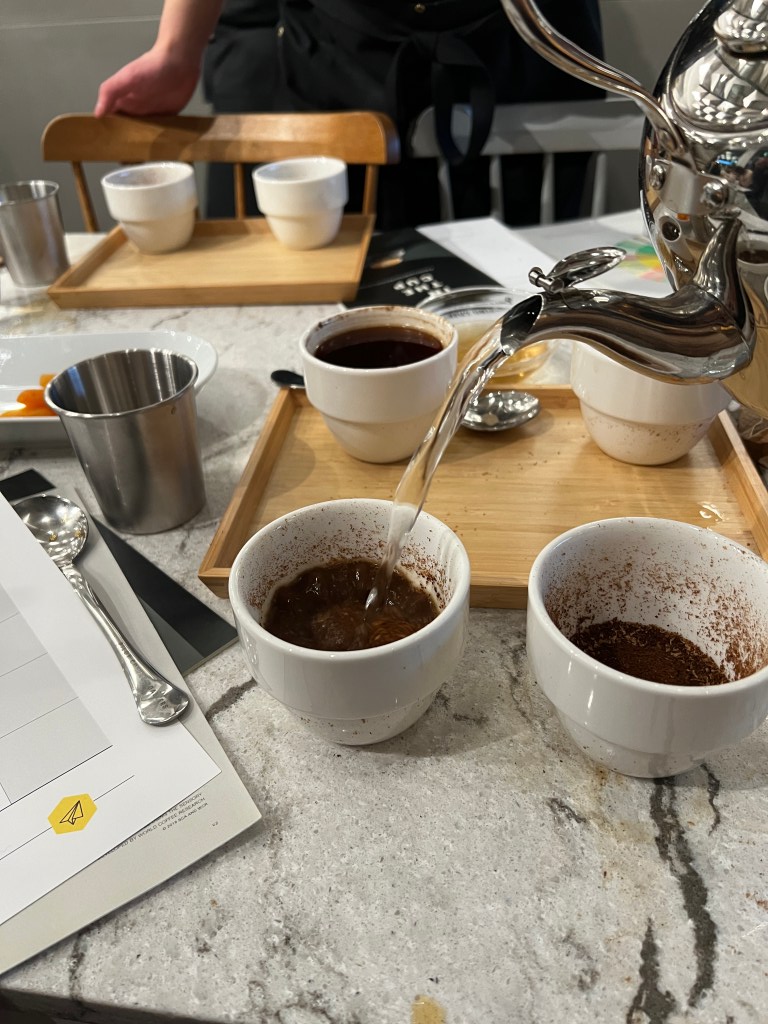
Then, hot water was poured in the cups, forming a crust. That sits for a bit and is smelled, and notes are made.

The crust is the broken, a two part process, involving two spoons. One to break the crust and the other to skim it off. More sniffing occurs and notes are made. We are trying to detect the characteristics on the coffee bags: is this nutty, creamy, buttery, floral, chocolatey? I found it more difficult than I imagined.
I could tell the cups were different but trying to attach them to Heritage or Ana Sora was hard work, especially as none of the participants did this every day. Finally, we tasted each cup in order, still only identified by numbers. The sensations change almost completely. What might have smelled ‘nutty’ without it being on your palate might have changed significantly. There were samples of dried apricot, dark and baker’s chocolate and toffee for reference.
The inelegant technique was quite effective, again much like wine. Slurp in the coffee, let it cover your tongue and then spit it out into a silver glass. It was the evening, so given how many times you slurped, swallowing it would provide a huge caffeine boost. I swallowed the first few and then spit it out, as did the professional tasters.
Finally, the identities were revealed; I got two out of four, which was about the average for the group. You had a one in four chance anyway of guessing. Then we were able to select a bag of coffee included in the price of the event. I wavered between Ana Sora but ultimately chose Heritage, which I had not had for some time, though I often order from Pilot.
Participating in the event was not only fun but it also upped my knowledge of how to understand and think about and taste coffee. I look at a cup differently, even if I never stage or take part in a cupping again. Coffee, like wine is very complex, full of different compounds, not all of which are understood. It was definitely an eye and palate opening, even for someone who considers himself a coffee connoisseur. And the coffees were really excellent and of course prepared perfectly. A splendid evening. Another one ought to be staged just involving espresso.

 Ricardo's Gelato and Food Blog