Banana, my favourite all-time flavour, is sadly underestimated. It has real taste power. Bananas are so multitalented: soft and sweet, good in cereal and in banana cakes and muffins, ice cream, soft serve, yogurt, milk shakes, plain as a snack – and in gelato, where they are an elusive flavour.
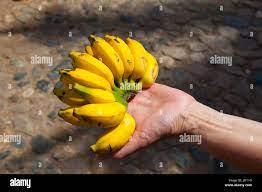
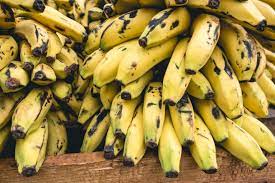
Finding the correct ripeness for gelato is difficult. Unlike blueberries, for example, or even strawberries, banana ripeness is an arc. Avocados can be discovered at the peak of ripeness by squeezing them gently but that doesn’t work with the yellow fruit. Often soft serves are made of artificial banana — beneath contempt.
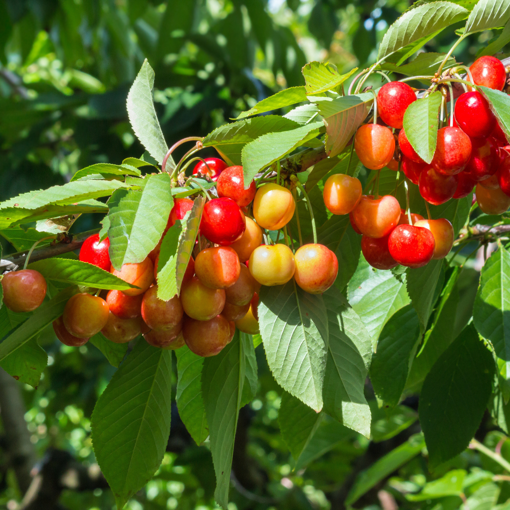
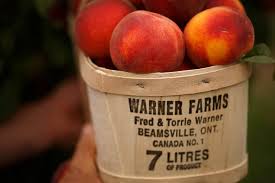
While tropical, if Chiquita has her way, bananas aren’t seasonal. As one might welcome the first Rainier cherries from Washington State, or say the Niagara peaches are ripe now, a sign of summer, a banana is just a banana.
It’s the same year-round. Unchangeable. Some would say dull compared to the heights of flavour inherent in a juicy persimmon or a crunchy apple, also very seasonal. But to me, peeling and biting into the custardy warm flesh of a perfect banana is nirvana.
Ever since I can remember, I loved bananas. One of my earliest memories is being in Cuba before the revolution, and seeing plátanos maduros, the small bananas that are fried and served much like a potato. They are not for peeling and eating. But of course, I thought they were and when I bit into one it was hard and tasted like paste. So much for my contribution to the revolution.

Bananas, indigenous to Asia and the Middle East, were brought to the new world in the 15th and 16th centuries. Banana plantations started to pop up in Latin America and the Caribbean. It After the 1861 to 1865 Civil War Americans first got their taste for bananas.
In 1870 Lorenzo Dow Baker was the first to import from bananas from Jamaica to Boston, is credited with starting the modern banana importation industry; his Boston Fruit Company was the predecessor to the United Fruit Company (now Chiquita), notorious for its role in bribing Latin governments and monopolizing the trade.
Interestingly, my partner and the love of my life does not share my enthusiasm for bananas (or Indian food) except for when they become brown and soft and are good material for banana chocolate or nut cake, which she makes very well. I am on my own when it comes to banana gelato. My first try was with carmelized bananas, a recipe adapted from the Paris ex pat David Lebovitz’ The Perfect Scoop. Lebovitz’ website bursts with recipes for ice cream and sorbets, (but not gelato) and other delights. A recent post describes his favourite Parisian restaurants, such as Bouillon de Site, which features such classic bistro gems as “pot-au-feu (boiled beef dinner), slow-cooked lamb and beans, Blanquette de veau, or steak-frites, with a big plate of fries arriving at your table by a sharp waiter in a long black apron.”
There are also many ice cream flavours such as coffee cajeta, or dulce de leche with chocolate chips or sorghum ice cream with sorghum peanut brittle. (Sorghum, a staple cereal, also used as broom bristles or animal feed, is consumed in warmer and third-world climates). Personally, I find Lebovitz’ recipes too exotic and impractical, full of difficult to obtain ingredients, and don’t include gelatos, which have taken over the Parisian frozen dessert shops.
Even so, he is responsible for a very good banana gelato recipe in which bananas are mixed with butter and brown sugar bananas foster-style and baked for forty minutes at 400°. It can be found here at Once Upon a Chef. The carmelized taste is very strong and becomes something else other than the true banana flavour essence.

The food.com recipe recommends ultra-ripe bananas, which I felt tasted too much like…ultra-ripe bananas.
A word here about ice cream and gelato: this blog is devoted to gelato but as I travel around this world, I realize there are some flavours that don’t lend themselves to gelato fabrication so from time to time I will include them, like in this post. This banana ice cream recipe, the best I’ve found and adapted, is not strictly a gelato though in the future, I might reduce the cream content. So far, it’s the has the perfect blend of banana and creaminess. However, I differ greatly in the use of over ripe bananas: I say don’t. Keep the fresh perfectly ripe and ready to eat flavour with bananas at their peak.
Ingredients:
- 2 cups heavy cream
- 5 large egg yolks save whites for other use
- 1 cup whole milk
- 2/3 cup sugar
- 1/4 teaspoon kosher salt
- 3 large bananas (or 4 medium)
- 1 tablespoon pure vanilla extract
- 1 tablespoon dark rum or vodka
- 2 ounces bittersweet chocolate, poured in at the last moment stracciatella style. (Pro tip: slice of butter and 90 seconds in the microwave is equal to any double boiler method).
Recipe, assuming you know how to or can look up a custard base, like Melissa Clark’s in the New York Times.
- Make the egg, milk, cream, and sugar custard base.
- Cook the custard until it easily coats the back of a spatula or wooden spoon.
- Blend the bananas with half of the custard.
- Chill the mixture in the refrigerator for several hours.
- Freeze the ice cream in your ice cream maker, adding the chocolate during the last five minutes. Transfer to an airtight freezer-safe storage container.
Next post: a Danforth tasting at Gelato on the Danny and Dolce Gelato (which claims it’s the best in town).

Another cool piece in Deliciousisrael.com I came across was about the gelato scene in Israel, where some truly wicked flavours like Vaniglia’s Surinam Cherry Ice Cream (Pitango in Hebrew) with Santa Rosa an especially rich and fragant plum, are made. How about — monkey-orange–an African fruit that grows in an experimental orchard in the Sharon area and tastes like a combination of orange, banana, cloves, and white flowers? The food scene in Israel is truly amazing.
 Ricardo's Gelato and Food Blog