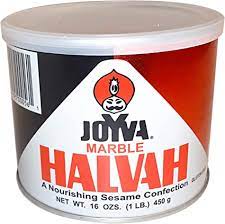
I can remember it well…the boy in the Chicago suburb wanting some candy and only having enough change for a certain kind of treat and what I wanted was halvah. For the uninitiated, halvah is a soft, fudgelike sweet made out of sesame paste — an iconic sight in Middle Eastern markets and much favoured in Jewish delis. I’d enter the Ricky’s or Harry’s deli in Glencoe, Ill., where I grew up, and put my 50 cents down on the counter, hesitating between the Joyva flavours, chocolate covered, marble, vanilla.
Usually it was marble, as it had both chocolate and vanilla. These were little wrapped packages but there was always a big slab of it behind the counter. There were also the enticing peppery smells of pastrami, corned beef, mustard, rye bread and pickles, taken hot to the noisy tables, or wrapped up in white paper for takeout. It’s so irresistible and when my Dad might stop at a deli and bring home a halvah slab it was generally gone quickly, even if it was hidden.
I was very pleased to discover that Richard Radutzky and Sandy Wiener, cousins and the founders’descendants still operate Joyva halvah, ‘house that sesame built,’ in Brooklyn, N.Y., as it has been since 1907. Its products are also Kosher in case that matters. (There is a great video there if you click the link).
The calorie-dense halvah always is like forbidden fruit and when I’ve seen great big hunks of it in the Jerusalem’s Mahane Yehuda market or Tel Aviv’s ShukHaCarmel, I succumb and given into my most gluttonous desires and bring it back to our hotel. The word entered English in the 1840s from Romanian, my grandfather’s birthplace, and Turkish and Persian sources, so no wonder it’s so deep in my blood. In addition to Jewish markets, halvah can be found in Indian, Arab, Persian, Greek, Balkan, and Turkish community stores and delicatessens. It’s even made its way to Myanmar, how about that?
One place you’d certainly never find it would be a gelateria. There certainly are a wealth of very odd flavours (see Ricardo’s Death in Venice story) but halvah – no way!
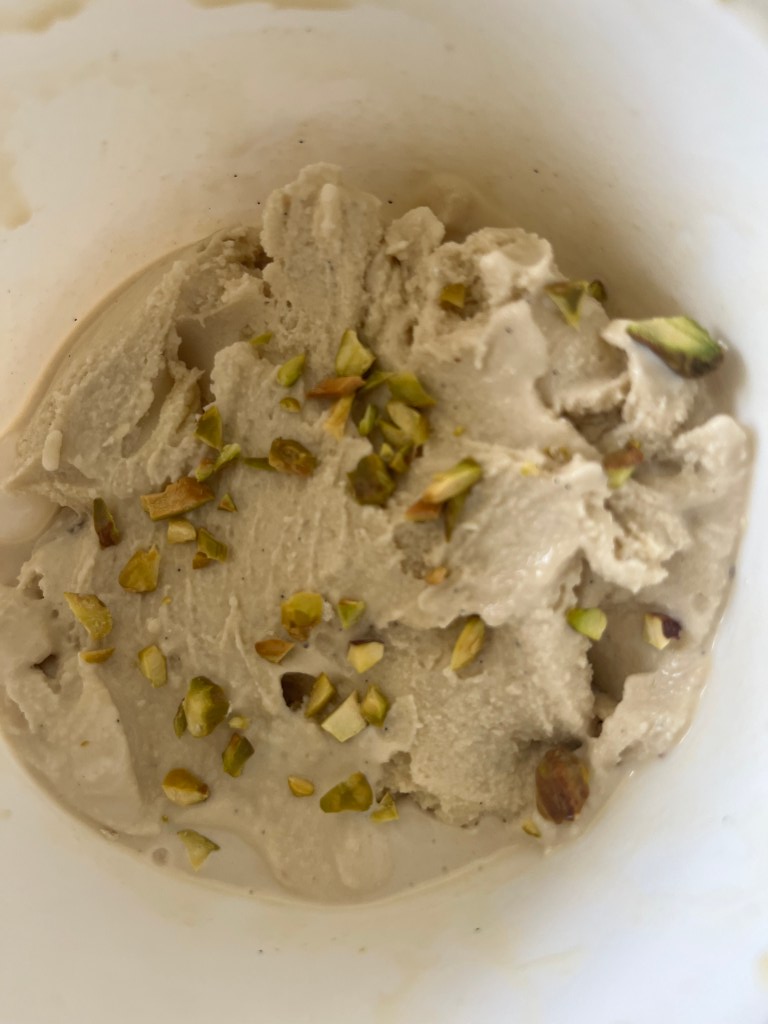
Then I heard some Orthodox folks had developed a vegan halvah-tahini sorbet. But when I Googled it, I discovered that Yotam Ottolenghi, London’s celebrated international superstar chef, restaurateur and cookbook author, had developed a halva gelato very close to what I was looking for. Ottolenghi’s unusual German, Italian, Israeli background has served him well and here in Canada, he just contributed a preface to Bonnie Stern’s new cookbook, Don’t Worry, Just Cook. He’s everywhere!

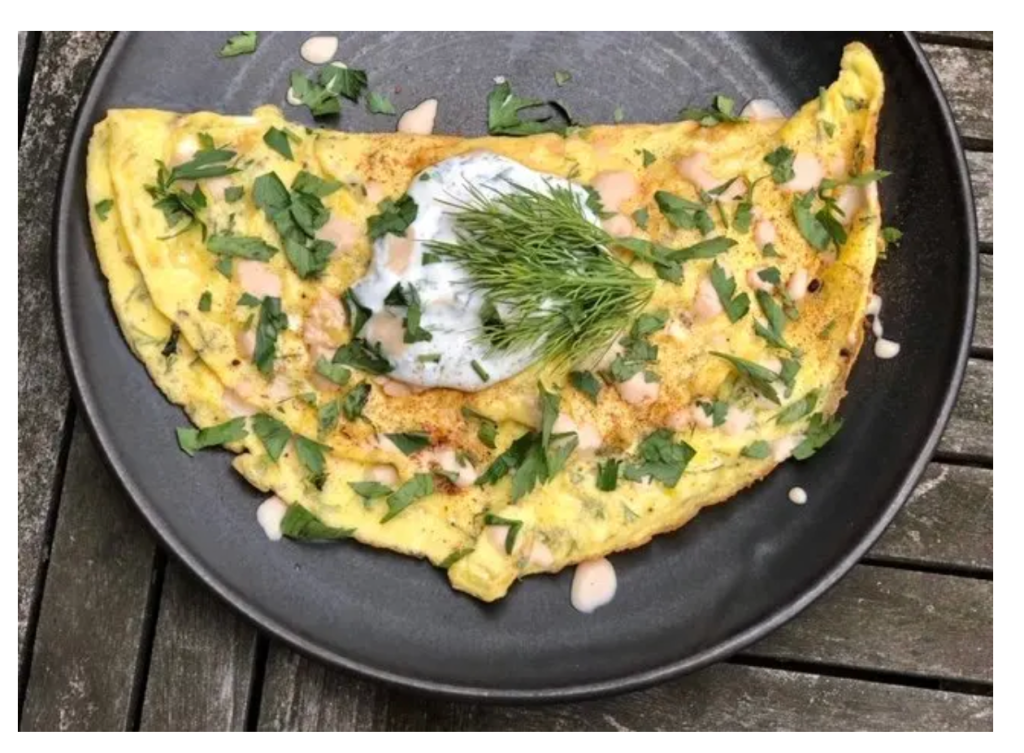
One of this gelato’s principal ingredients is sesame paste or tahini, as it’s commonly known, which is enjoying a surge of popularity and has a multitude of uses – in salad dressings, as dips, marinades, sauces, Asian noodles and of course hummus and baba ghanoush. The New York Times’ Melissa Clark even put it in an omelette.
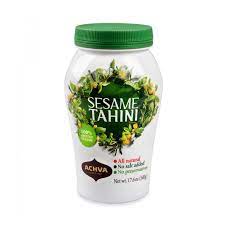
The tahini sold in Loblaws, Metro or specialty stores like Avenue Road’s Ararat is of generally high quality, though looking for its origin, I’d suggest the Israeli brands.
But if you go for the gusto, the best Toronto area tahini is at Parallel restaurant on Geary Street – go and see the old-fashioned sesame press at work. Parallel’s tahini comes in several flavours like beet or smoky and is described like this:
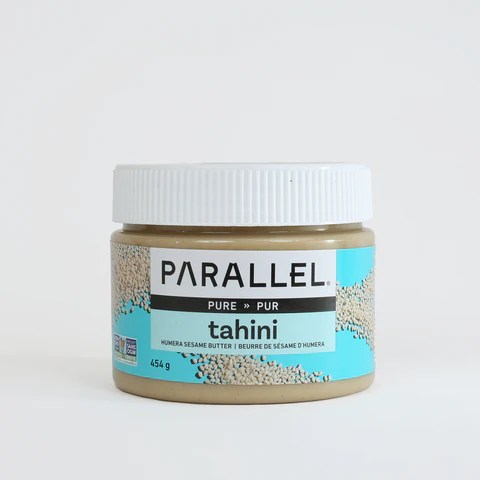
“We combine tradition and modern technologies to handcraft the richest tahini you’ve ever had. Our sesame butter uses only the best Humera seeds from Ethiopia, where the unique climate and soil enhances the seed’s nutty and sweet flavour.”
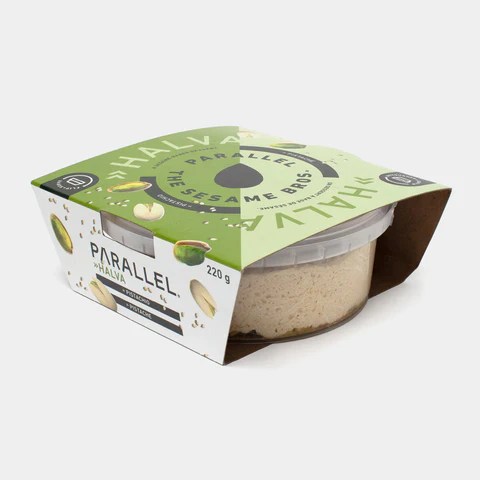
There is also fantastic halva there as you might imagine, though it doesn’t come in a plain variety, which this recipe calls for. Here is my adaptation of that recipe with more local measures:
- Heat the half a cup of heavy cream, and two cups milk and split a vanilla pod scrape the seeds into the milk and cream in the saucepan until the air bubbles surround the mix and there is a bit of steam.
- Turn off the stove.
- Whisk two egg yolks and 2/3 cup of sugar until combined.
- Then temper the eggs by ladling small quantities of the warm milk into the yolks, one spoon at a time. This ensures that basically the eggs won’t scramble. There are many descriptions of egg tempering if you’ve not done it before.
- Pour the egg mixture back into the pan and place on medium-low heat. Stir for 10 minutes, until the sauce thickens. Remove from the heat and whisk in four or even five tablespoons of tahini and let it cool. Then remove the vanilla pod.
- Let it rest in the fridge for several hours or overnight.
- Before churning chop two tablespoons of unsalted pistachio nuts and at least three ounces of the freshest halva you can find. It’s generally available in Loblaws, Longo’s, Whole Foods and specialty markets.
- Pour the cooled mixture in the ice cream machine and start churning according to manufacturers’ instructions. I let it go for 30 minutes on the Cuisinart gelato setting.
- About five minutes before the churning is done, work in the pistachios and halva so it’s well incorporated.
- After it’s been in the freezer, let it soften for around 10 minutes or so before serving.
- ProTip: If you are really in a hurry and you have proper ice cream containers, place the open canister in the microwave for 20 seconds for a full container and 15 for a partially consumed one. It really does a good job of softening it up.
- Enjoy and let me hear about your experience at ricardo@ricardosgelato.com.
 Ricardo's Gelato and Food Blog